Ukraine Hopes to Stop Russian ‘Shahed’ Kamikaze Drones with Upgraded Iris Radar
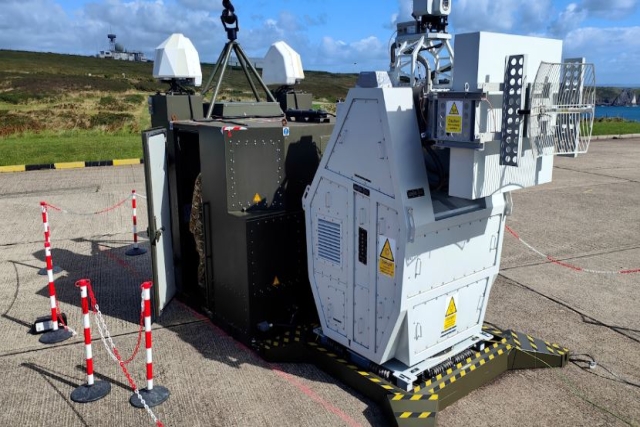
The upgraded Iris radar has increased its detection range from 5 km to 12 km giving more time for anti-drone systems to target drone swarms.
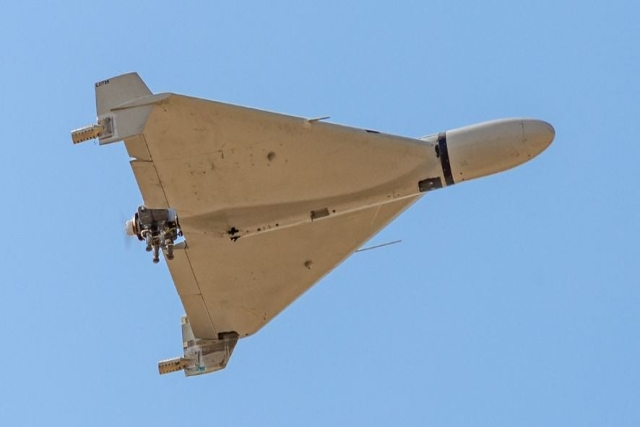
A software upgrade to the Iris drone-detection radar aims to improve Ukraine’s ability to identify and engage Russian Shahed-type kamikaze drones earlier.
Ukrainian officials state that up to 80% of battlefield casualties on both sides are now caused by drones. Detecting them has become a primary defense priority.
Developed by Dutch company Robin Radar, the Iris system has been in Ukrainian service since early in the full-scale invasion. The company confirmed to BFBS Forces News that a recent upgrade more than doubled its detection radius from 5 km to 12 km, enhancing early warning against low-flying threats.
Marcel Verdonk, Chief Commercial Officer at Robin Radar, said, “You want to ideally see them at 7-8 km optimum range – and this capability enables just that.” He added that the update, which uses artificial intelligence to improve tracking accuracy, is based on feedback from Ukrainian operators. Because it is software-based, all existing systems can be upgraded in the field.
The Shahed drone, seen over Ukraine since 2022, has been modified by Russia to increase lethality. Its size and speed allow it to damage buildings even without explosives. Ukrainian President Volodymyr Zelenskyy said on Telegram that rescue operations had concluded at a residential building in Kyiv struck by one such drone. “In just this one week, the Russians have used against Ukraine almost 1,200 attack drones and 50 missiles of various types – most of them, in fact, ballistic,” he posted.
According to the report, approximately 200 Iris radars are currently deployed, although specific details remain undisclosed. Each unit weighs about 29 kg, provides 360-degree coverage, and has a starting price of €500,000. Systems are typically mounted on tripods, buildings, or poles to protect energy facilities, government sites, and military bases.
Both Ukraine and Russia have increasingly targeted critical national infrastructure. Russian fuel supplies have been disrupted, including at the Ryazan refinery southeast of Moscow after a reported Ukrainian drone attack last week. Meanwhile, Ukrainian cities continue to experience strikes that affect civilians and frontline logistics.
Verdonk described the technological contest as ongoing. Russia continues to adapt drone designs, while counter-drone firms race to keep detection ahead of the threat. More than three-and-a-half years into the invasion, there is no indication that drone warfare will diminish.
Ukraine Expects First Swedish Gripen Fighter Jets In 2026
Ukraine Deploys Slovak-made Wolf 25 AD Air Defense System
Ukraine Signs Letter of Intent with Sweden to Buy Up to 150...
U.K. to Deploy Troops to Ukraine if Trump Secures Peace Deal With...

Iran Threatens to Close Strait of Hormuz as US Signals Return to...
China-made Aircraft Fly in U.S. Airshow for First Time

Switzerland to increase F-35 Offsets from 60% to 73%
11 NATO Countries Select Saab GlobalEye AWACS Over Boeing E-7 Aircraft

One Month Since U.S., Israeli War Against Iran: Who Is Gaining?
One month after the United States and Israel launched coordinated strikes on Iran on February 28 the conflict has expanded...
Modern Tank Showdown: T-90MS, Leopard 2A7, M1E3 Abrams Compared
Main Battle Tanks (MBTs) have shown their mettle in recent conflicts such as in Ukraine despite being increasingly vulnerable to...
European Nations Prioritizing Europe-made IRIS-T & SAMP-T over American Patriot Air Defense Systems?
European nations looking to procure new air defense systems appear to be giving the much-vaunted American Patriot a miss in...
Russian T-90MS Crew Discuss Future Upgrades
Defense Mirror spoke with the crew members of the Russian T-90MS main battle tank, produced by UralVagonZavod

China's Mass-produced J-35A Aircraft Set to Disrupt Global Stealth Fighter Market
China is aiming to disrupt the global stealth fighter market by mass-producing its fifth-generation J-35A at a pace comparable to...
The Future of Combat: Miniaturized Laser Weapons Set to Replace Bullets and Missiles
Lasers may soon replace bullets, and drones could disable enemy UAVs with beams of light instead of missiles