Russian Strategic Missile Crashes after Test Launch
Analysts claim the failed missile was likely either a Sarmat system or a UR-100N with an Avangard glide vehicle, both based at Yasny.
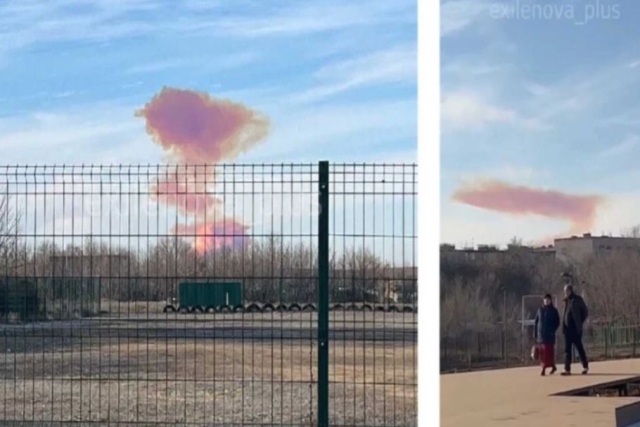
A Russian intercontinental ballistic missile crashed seconds after launch at the Yasny range in the Orenburg region, exploding at an altitude of only 200–400 meters before falling back to the ground.
As per multiple reports, a purple cloud formed over the site, prompting concerns about toxic propellants linked to Russia’s liquid-fuel missile arsenal.
The Yasny facility hosts a Strategic Missile Forces base and a spaceport. Reports claimed that the purple plume matched the color produced by nitrogen tetroxide and unsymmetrical dimethylhydrazine — fuels used in systems such as the R-36M2 Voevoda and the RS-28 Sarmat. The blast pattern resembled previous Sarmat failures, including a silo explosion at Plesetsk in September last year.
Other assessments suggested the missile could have been a UR-100N carrying an Avangard hypersonic glide vehicle, citing its long-term presence at Yasny and equipment shown in earlier Russian Ministry of Defense footage. The 13th Missile Division stationed at the site operates long-range, nuclear-capable missiles, and Russian officials announced in late 2024 that Avangard-equipped regiments had completed rearmament there.
Video analysis indicated an onboard explosion shortly after liftoff, followed by loss of control and a ground impact. A secondary blast appeared to come from unburned liquid fuel, producing an orange cloud associated with nitrogen-based propellants.
Persistent test failures have raised questions about timelines and readiness despite Russian statements that Avangard-equipped regiments entered combat duty in 2023.
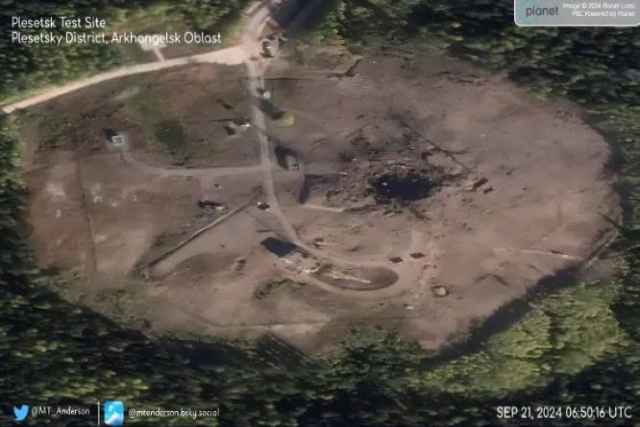
Russia's Intercontinental Ballistic Missile ‘Sarmat’ Explodes After Takeoff
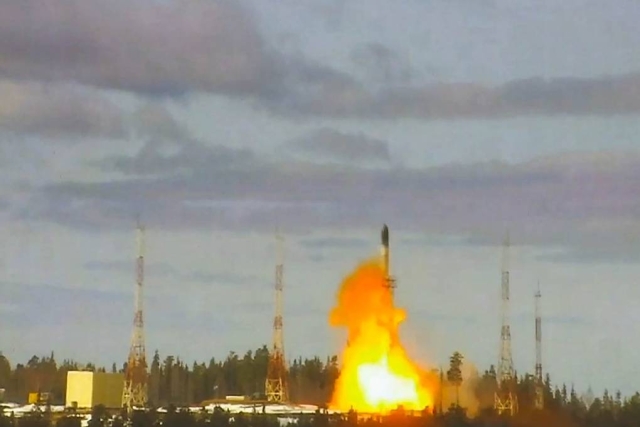
First Mass-produced Sarmat Intercontinental Ballistic Missiles Ready for Deployment

Russia Deploys Second Regiment of Avangard Hypersonic Missiles
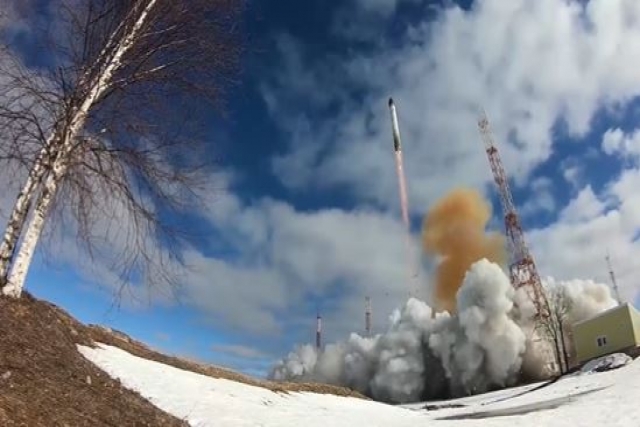
Sarmat ICBM Can be Equipped with Several Avangard Hypersonic Warheads
U.K. Army to Induct Ukraine-tested Tekever Reconnaissance Drones
Want Civil Nuclear Deal? Sign Abraham Accords First, Trump Tells Saudi Arabia
Ukraine Unveils MUL.E Electric-Hybrid Combat Motorcycle
Mass Production of Russian MC-21 Airliner Gains Momentum- 18 Aircraft Currently on...

One Month Since U.S., Israeli War Against Iran: Who Is Gaining?
One month after the United States and Israel launched coordinated strikes on Iran on February 28 the conflict has expanded...
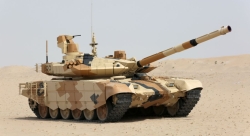
Modern Tank Showdown: T-90MS, Leopard 2A7, M1E3 Abrams Compared
Main Battle Tanks (MBTs) have shown their mettle in recent conflicts such as in Ukraine despite being increasingly vulnerable to...
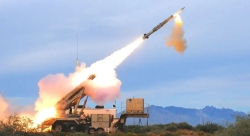
European Nations Prioritizing Europe-made IRIS-T & SAMP-T over American Patriot Air Defense Systems?
European nations looking to procure new air defense systems appear to be giving the much-vaunted American Patriot a miss in...
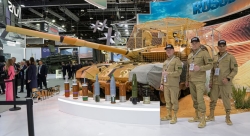
Russian T-90MS Crew Discuss Future Upgrades
Defense Mirror spoke with the crew members of the Russian T-90MS main battle tank, produced by UralVagonZavod

China's Mass-produced J-35A Aircraft Set to Disrupt Global Stealth Fighter Market
China is aiming to disrupt the global stealth fighter market by mass-producing its fifth-generation J-35A at a pace comparable to...

The Future of Combat: Miniaturized Laser Weapons Set to Replace Bullets and Missiles
Lasers may soon replace bullets, and drones could disable enemy UAVs with beams of light instead of missiles