U.S. War Department to Allocate $1 Billion for "Cheap" Attack Drones
the number of drones ordered will increase from 30,000 to 150,000, and the price per drone will drop from $5,000 to $2,300.
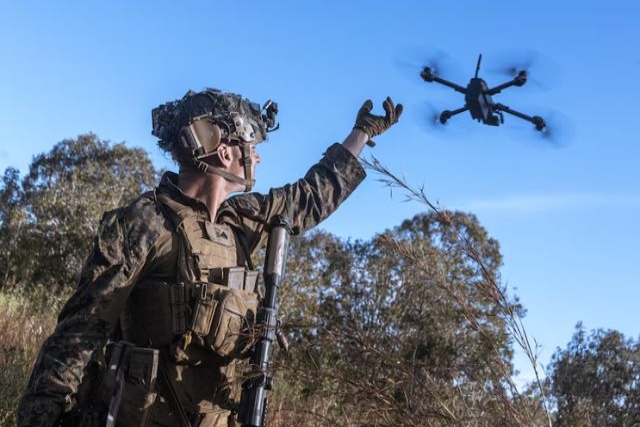
The U.S. War Department has requested information to gauge industry's willingness and ability to make some 300,000 drones quickly and inexpensively.
The request for information released to industry this week spells out a plan that'll begin early next year, when the department will, over the course of two years, and within four phases, offer $1 billion to industry to build a large number of small unmanned aerial systems capable of conducting one-way attack missions, a Department of War (DoW) release said.
The first of those four phases, called "gauntlets," runs from February to July 2026. During that time, 12 vendors will be asked to collectively produce 30,000 drones at a cost of $5,000 per unit, for a total of $150 million in department outlays.
Over the course of the next three gauntlets, the number of vendors will go down from 12 to five, the number of drones ordered will increase from 30,000 to 150,000, and the price per drone will drop from $5,000 to $2,300.
"Drone dominance will do two things: drive costs down and capabilities up," Secretry of War Pete Hegseth said. "We will deliver tens of thousands of small drones to our force in 2026, and hundreds of thousands of them by 2027."
Through the drone dominance program, $1 billion from President Trump's "Big Beautiful Bill" will fund the manufacture of approximately 340,000 small UASs for combat units over the course of two years.
After that, it's expected that American industry's interest in building drones as a result of the program will have strengthened supply chains and manufacturing capacity to the point that the military will be able to afford to buy the drones it wants, in the quantity it wants, at a price it wants, through regular budgeting.
Equipment is only part of the game, the secretary said. Doctrine — how the warfighter fights — is also critical.
Following the end of the Cold War, Hegseth said, U.S. defense spending dropped precipitously, and as a result, there was also a consolidation of defense contractors from hundreds to just dozens. The department, he said, budgeted for quality rather than quantity — and for 30 years got what it needed.
U.S. DoD Japan MOD Launch AI Project to Secure UAV Operations

Trump Renames DOD to Department of War
ASELSAN Signs Five Defense Agreements at INDODEFENCE Opens Jakarta Office

In a First, China Sanctions Philippines Defense Secretary Gilberto Teodoro Jr., His Relatives...
General Atomics AeroTec Signs First Sale Contract for D0228 NXT Aircraft

Israel Awards Developers of Weapons Systems, Spying Tech, Electronic Warfare
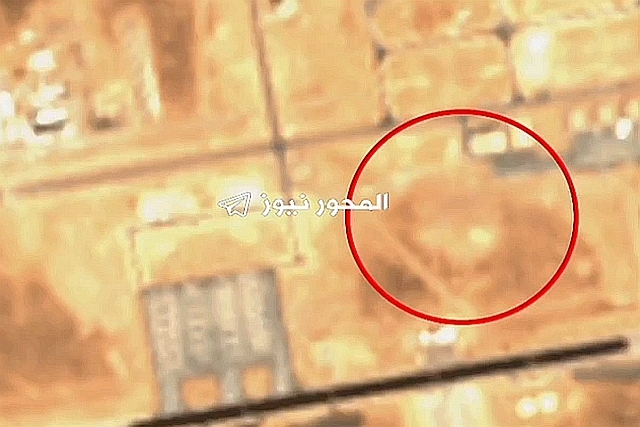
Iran Inflicts Damage on U.S. Bases in Jordan, Kuwait, Bahrain & Earlier...

One Month Since U.S., Israeli War Against Iran: Who Is Gaining?
One month after the United States and Israel launched coordinated strikes on Iran on February 28 the conflict has expanded...
Modern Tank Showdown: T-90MS, Leopard 2A7, M1E3 Abrams Compared
Main Battle Tanks (MBTs) have shown their mettle in recent conflicts such as in Ukraine despite being increasingly vulnerable to...
European Nations Prioritizing Europe-made IRIS-T & SAMP-T over American Patriot Air Defense Systems?
European nations looking to procure new air defense systems appear to be giving the much-vaunted American Patriot a miss in...

Russian T-90MS Crew Discuss Future Upgrades
Defense Mirror spoke with the crew members of the Russian T-90MS main battle tank, produced by UralVagonZavod

China's Mass-produced J-35A Aircraft Set to Disrupt Global Stealth Fighter Market
China is aiming to disrupt the global stealth fighter market by mass-producing its fifth-generation J-35A at a pace comparable to...

The Future of Combat: Miniaturized Laser Weapons Set to Replace Bullets and Missiles
Lasers may soon replace bullets, and drones could disable enemy UAVs with beams of light instead of missiles