U.S. Kills Five In Two Narco Boats
Latest strikes in international waters deepen legal and political dispute over U.S. maritime campaign
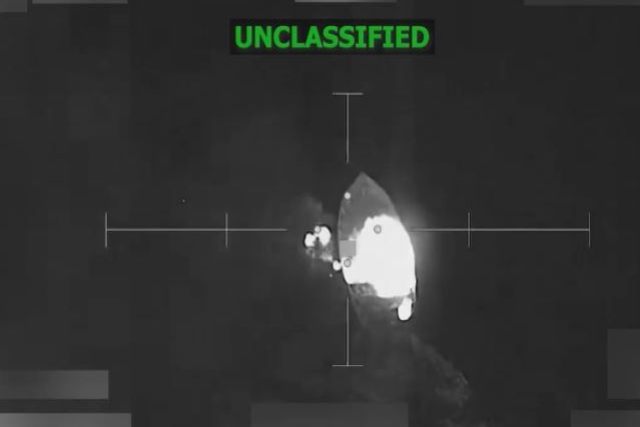
The U.S. military said it killed five people during strikes on two suspected narco-trafficking vessels in international waters in the eastern Pacific, extending a campaign that has drawn mounting scrutiny in Washington and abroad.
U.S. Southern Command said the Dec. 18 operation was carried out under the direction of U.S. Secretary of War Pete Hegseth, with Joint Task Force Southern Spear conducting “lethal kinetic strikes” on two vessels operating along known trafficking routes.
“Intelligence confirmed that the vessels were transiting along known narco-trafficking routes in the Eastern Pacific and were engaged in narco-trafficking operations,” SOUTHCOM said in a statement, adding that no U.S. forces were harmed.
The strikes followed an operation three days earlier in which U.S. forces killed eight sailors aboard three vessels in the same region. Since early September, Washington has acknowledged 26 strikes in the eastern Pacific and Caribbean that have allegedly killed nearly 100 people, after the Trump administration designated several drug cartels as terrorist groups.
The administration has described the campaign as a “non-international armed conflict” to stop drug flows into the U.S., a claim disputed in Congress. Democratic lawmakers, joined by a small number of Republicans, say the administration lacks clear legal authority and has not provided verifiable evidence that the targeted vessels were carrying narcotics.
Scrutiny intensified after a Sept. 2 strike that launched the campaign, when reports said two survivors of an initial attack were later killed in a follow-on strike. Democrats who viewed video of the operation condemned the decision, while legal experts warned it could constitute a war crime. Republican lawmakers defended the action, arguing the survivors may still have posed a threat.
The strikes coincide with a broader U.S. military buildup near Latin America, including the deployment of the aircraft carrier USS Gerald R. Ford, additional fighter aircraft, and a nuclear-powered submarine. The Trump administration has accused Venezuelan President Nicolás Maduro’s government of working with drug cartels and criticized Colombia over trafficking controls. Both governments have rejected the claims, with Venezuela accusing Washington of using counter-narcotics operations to pursue regime change.
Congress narrowly rejected efforts to curb the campaign. Lawmakers rejected two proposals: one that would have required President Donald Trump to get Congress’s approval before using U.S. forces against Venezuela, and another that would have restricted military action against groups the president has labeled terrorist organizations in the region.
The votes came as the U.S. escalated pressure on Venezuela’s energy sector. On Tuesday, Trump ordered a “total and complete” naval blockade of U.S.-sanctioned oil tankers entering or leaving Venezuelan ports, describing it as the “largest Armada ever assembled in the history of South America.” Venezuela called the move a “grotesque threat.” U.S. forces last week boarded and seized the Skipper oil tanker off Venezuela’s coast, with reports saying it was taken to Texas to unload its cargo.
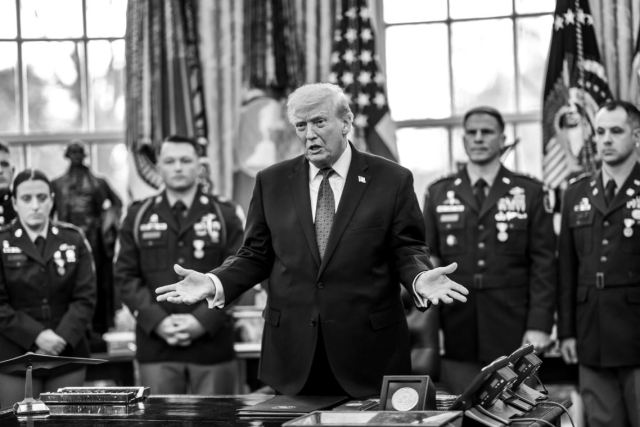
Largest U.S. Armada Ever in South America Ready to Shock Venezuela: Trump...
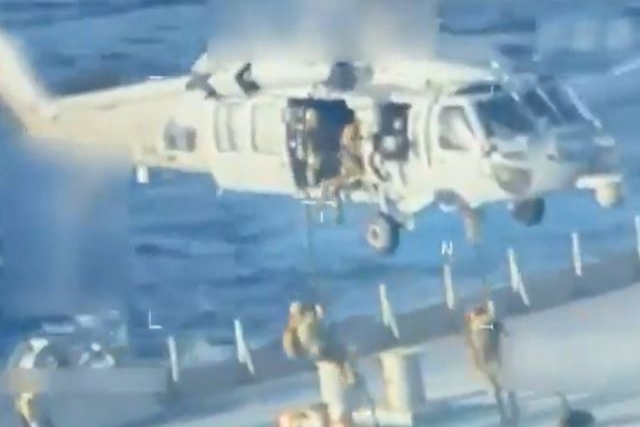
FBI Seizes Sanctioned Oil Tanker off the Coast of Venezuela
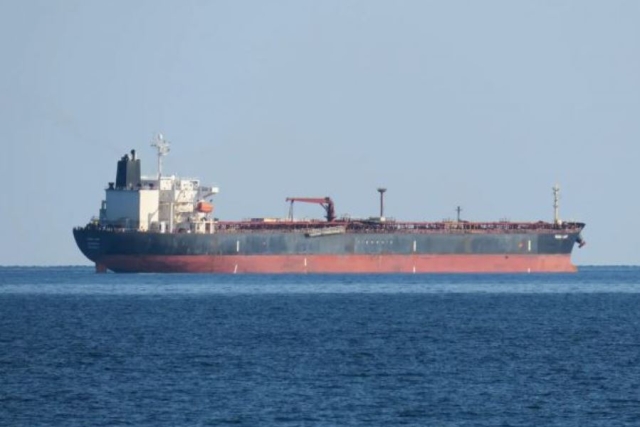
U.S. Navy Vessel Blocks Russian Oil Tanker from Reaching Venezuela
Houtis Fire Missiles at Saudi Airport after Riyadh Bombs Yemen’s Sanaa Airport...
Iran Blockade Back, Now U.S. to Charge 20% Hormuz Transit Fee
First Use of Unmanned Kamikaze Boat by the U.S. in Attack...
Russian FSB Prevents Ukrainian Plot to Attack Su-57 Fighter Bases with FPV...

One Month Since U.S., Israeli War Against Iran: Who Is Gaining?
One month after the United States and Israel launched coordinated strikes on Iran on February 28 the conflict has expanded...
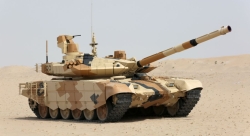
Modern Tank Showdown: T-90MS, Leopard 2A7, M1E3 Abrams Compared
Main Battle Tanks (MBTs) have shown their mettle in recent conflicts such as in Ukraine despite being increasingly vulnerable to...
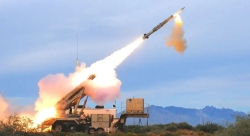
European Nations Prioritizing Europe-made IRIS-T & SAMP-T over American Patriot Air Defense Systems?
European nations looking to procure new air defense systems appear to be giving the much-vaunted American Patriot a miss in...
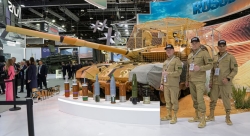
Russian T-90MS Crew Discuss Future Upgrades
Defense Mirror spoke with the crew members of the Russian T-90MS main battle tank, produced by UralVagonZavod

China's Mass-produced J-35A Aircraft Set to Disrupt Global Stealth Fighter Market
China is aiming to disrupt the global stealth fighter market by mass-producing its fifth-generation J-35A at a pace comparable to...

The Future of Combat: Miniaturized Laser Weapons Set to Replace Bullets and Missiles
Lasers may soon replace bullets, and drones could disable enemy UAVs with beams of light instead of missiles