Russia Expects Ukraine War to Help Propel Arms Exports to $15–17B a Year
Moscow-linked analyst says wartime production surge will shift to foreign sales after fighting ends.
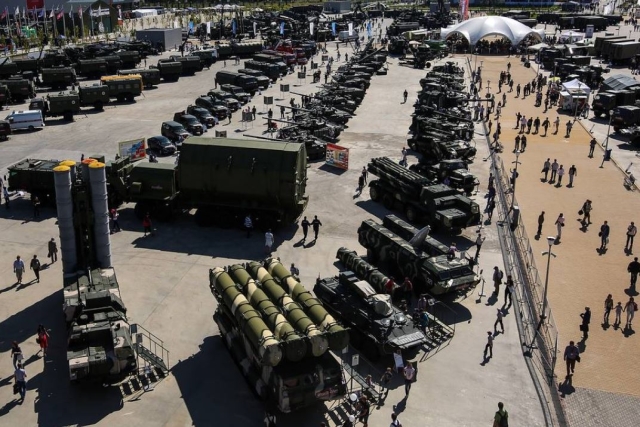
Russia expects annual weapons exports to reach about $15–17 billion after the war in Ukraine ends, as weapons production capacity built during the conflict is redirected toward overseas markets.
Igor Korotchenko, Director of the Center for Analysis of World Arms Trade (CAWAT), said Russian arms sales could total $15–17 billion a year in the three to five years following the war.
“According to CAWAT estimates, in the next three to five years after the end of the Second World War, Russian arms export sales will amount to approximately $15–17 billion per year,” Korotchenko was quoted as saying by state-controlled RIA Novosti. “This is a very good figure.”
Korotchenko revealed that Russia’s defense industry expanded output during the war, increasing production across several categories. He said weapons refined using battlefield experience would support future export demand and help Russia maintain its position as the world’s second-largest arms exporter.
He said President Vladimir Putin, the Federal Service for Military-Technical Cooperation (FSMTC) and state arms exporter Rosoboronexport are working to preserve Russia’s standing in the global arms market.
“Despite the complex geopolitical situation and the Western-sanctioned war, our country is expanding military-technical ties with foreign countries and strictly fulfilling export obligations,” Korotchenko said, describing Russia as “a reliable business partner.”
Korotchenko said Rosoboronexport’s order book has exceeded $60 billion, the largest in the company’s history. He also pointed to overseas production projects, including the completion of the first stage of a 7.62mm ammunition plant in Venezuela. The facility is expected to produce up to 70 million cartridges a year despite sanctions pressure on both countries.
Rosoboronexport is continuing to seek new contracts through international arms exhibitions. Korotchenko said the company is discussing more than 100 cooperation projects with around 20 countries in Latin America, the Asia-Pacific, Africa, the Middle East and the Commonwealth of Independent States, with a combined potential value of over $30 billion.
Equipment showcased at arms shows includes tanks, transport helicopters, air defense systems, guided missiles, small arms and drones that Russia says have been used during the Ukraine war.
Korotchenko said centralized state control of arms exports allows Russia to offer long-term support packages. “The export of Russian weapons is actually the export of a security guarantee,” he said, adding that Russia commits to training, maintenance, spare parts and upgrades over the full life cycle of exported systems, which can last 20–30 years.
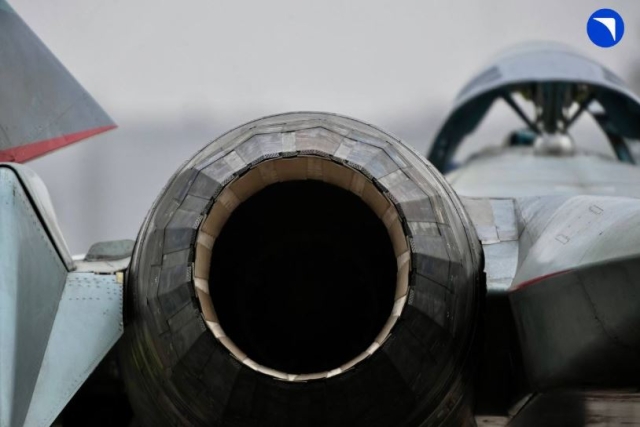
First Flight of Russian Su-57 Fighter with Fifth-generation Engine “Product 177”
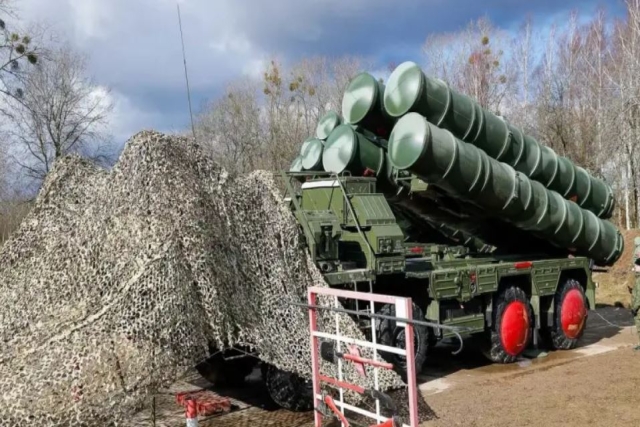
Turkey Offers to Return S-400 to Russia, Wants Refund
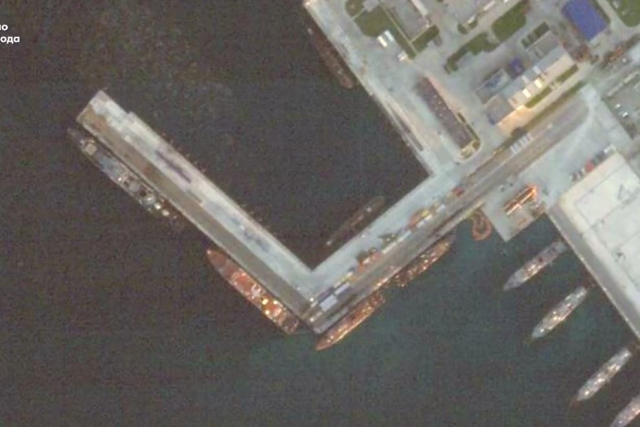
Russian Submarine Damaged after Ukrainian Underwater Drone Strike?
Cambodia Attacking Thai Positions with Russian ‘Kamikaze’ Drones: Thailand Claims
70 Civilians killed, 360 Injured in Ukrainian Strikes on Russian Economic Targets
Hand to Hand Combat Between Chinese, Philippine Soldiers in South China Sea
2 US troops KILLED, 1 Missing, 4 Injured in Iran Missile Strikes
Russia's Unmanned Systems Group Signs Several International Contracts to Sell its Supercam...
One Month Since U.S., Israeli War Against Iran: Who Is Gaining?
One month after the United States and Israel launched coordinated strikes on Iran on February 28 the conflict has expanded...
Modern Tank Showdown: T-90MS, Leopard 2A7, M1E3 Abrams Compared
Main Battle Tanks (MBTs) have shown their mettle in recent conflicts such as in Ukraine despite being increasingly vulnerable to...
European Nations Prioritizing Europe-made IRIS-T & SAMP-T over American Patriot Air Defense Systems?
European nations looking to procure new air defense systems appear to be giving the much-vaunted American Patriot a miss in...
Russian T-90MS Crew Discuss Future Upgrades
Defense Mirror spoke with the crew members of the Russian T-90MS main battle tank, produced by UralVagonZavod
China's Mass-produced J-35A Aircraft Set to Disrupt Global Stealth Fighter Market
China is aiming to disrupt the global stealth fighter market by mass-producing its fifth-generation J-35A at a pace comparable to...
The Future of Combat: Miniaturized Laser Weapons Set to Replace Bullets and Missiles
Lasers may soon replace bullets, and drones could disable enemy UAVs with beams of light instead of missiles