Days After Indo-U.S. Trade Deal, India Seizes "Sanctioned" Oil Tankers
Coast guard intercepts three U.S.-sanctioned vessels off Mumbai amid crackdown on illicit oil trade
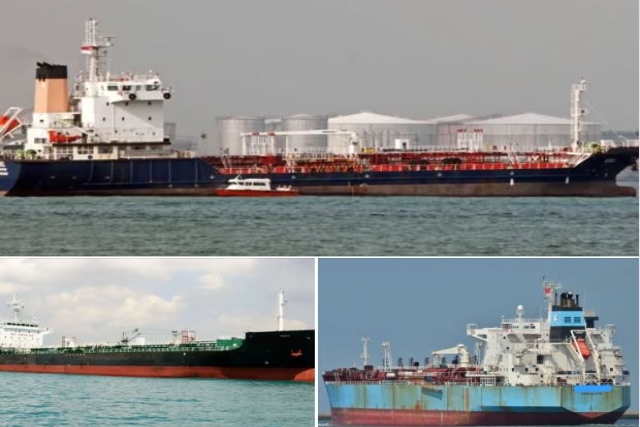
India seized three oil tankers subject to U.S. sanctions days after New Delhi and Washington announced a major trade agreement, linking maritime enforcement with a period of renewed diplomatic engagement between the two countries.
The tankers were intercepted around 100 nautical miles west of Mumbai, following a coordinated sea-air operation conducted on February 5–6.
The Indian government confirmed in an official statement that it seized three vessels that were involved in the illicit transfer of large volumes of oil and oil-based cargo originating from conflict-ridden regions, but refrained from naming them. The operation was triggered by technology-enabled surveillance that detected suspicious activity within India’s Exclusive Economic Zone. Digital analysis of vessel movements pointed to illicit ship-to-ship oil transfers in international waters, a method used to conceal cargo origin and evade duties.
Coast Guard boarding teams inspected the vessels, examined electronic data and documents, and questioned crew members to establish the sequence of events. Investigators found that the tankers repeatedly changed their identities to avoid detection and were linked to a network operating across multiple countries.
The vessels are expected to be escorted to Mumbai and handed over to Indian Customs and other law enforcement agencies for further legal proceedings. Preliminary findings indicate the vessel owners are based outside India.
The seizures followed the recent announcement of an Indo-U.S. trade agreement that reduced U.S. tariffs on Indian goods to 18% and withdrew an additional 25% duty linked to India’s imports of Russian crude oil. Indian officials have said the agreement includes no explicit commitment to halt Russian oil purchases, stating that energy sourcing remains a commercial decision.
Malaysia Releases Two Shadow Oil Tankers after Seizing Them on The High...
Malaysia Seizes Two Suspected "Shadow Fleet" Ships Carrying $130M worth Oil

European Countries Close Baltic Sea to Russia’s Shadow Fleet, Disrupting Oil Exports...
U.S. Announces Seizure of Sanctioned Russian Oil Tanker

Bombardier to Supply Two Global 6500 Aircraft for Korea’s Electronic Warfare Program
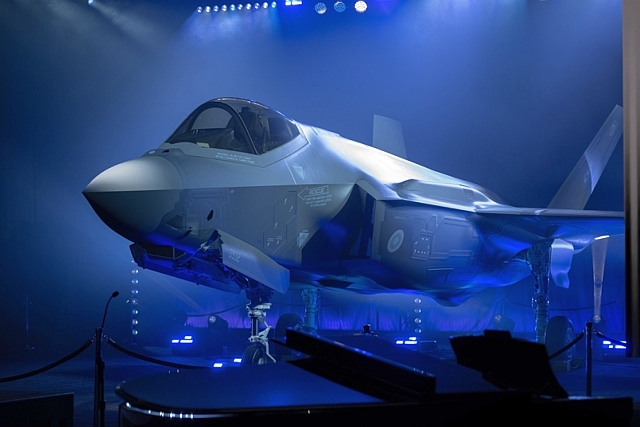
Patria Becomes the First Partner Outside the U.S. to Assemble F-35 Jet’s...
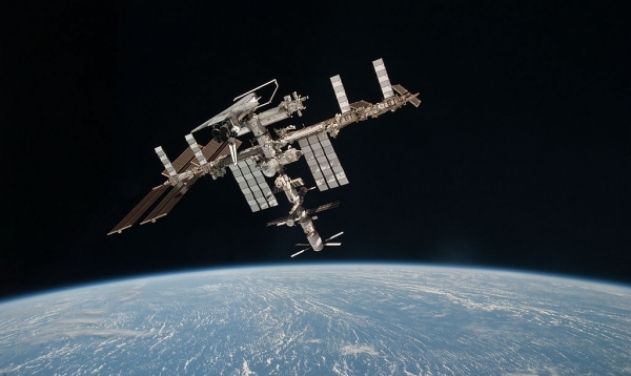
Rheinmetall, Space Norway to Collaborate on Space-based Maritime Domain Awareness
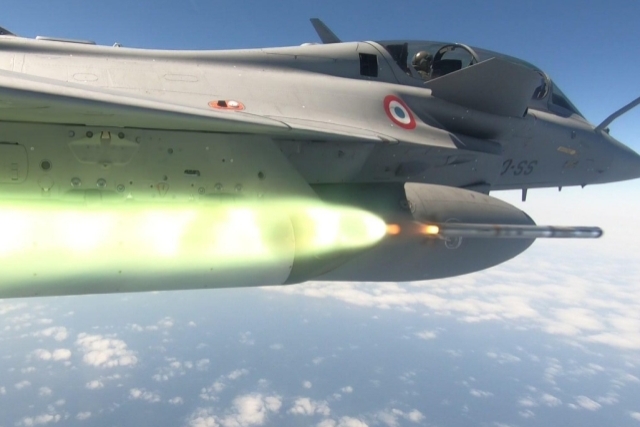
French Rafale Jet Gets Anti-Drone Capability with New 68mm Laser-guided Rocket

One Month Since U.S., Israeli War Against Iran: Who Is Gaining?
One month after the United States and Israel launched coordinated strikes on Iran on February 28 the conflict has expanded...
Modern Tank Showdown: T-90MS, Leopard 2A7, M1E3 Abrams Compared
Main Battle Tanks (MBTs) have shown their mettle in recent conflicts such as in Ukraine despite being increasingly vulnerable to...
European Nations Prioritizing Europe-made IRIS-T & SAMP-T over American Patriot Air Defense Systems?
European nations looking to procure new air defense systems appear to be giving the much-vaunted American Patriot a miss in...
Russian T-90MS Crew Discuss Future Upgrades
Defense Mirror spoke with the crew members of the Russian T-90MS main battle tank, produced by UralVagonZavod

China's Mass-produced J-35A Aircraft Set to Disrupt Global Stealth Fighter Market
China is aiming to disrupt the global stealth fighter market by mass-producing its fifth-generation J-35A at a pace comparable to...
The Future of Combat: Miniaturized Laser Weapons Set to Replace Bullets and Missiles
Lasers may soon replace bullets, and drones could disable enemy UAVs with beams of light instead of missiles