First Use of Unmanned Kamikaze Boat by the U.S. in Attack on Iran
The US Central Command deployed a one way attack sea drone in an attack on Iran, marking the first combat deployment of this type of weapon
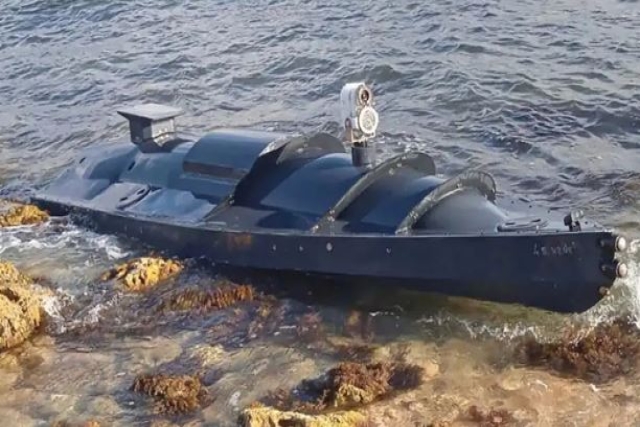
The US Central Command (CENTCOM) announced the first use of a kamikaze naval drones to strike Iranian targets on the night of July 12.
“CENTCOM forces struck Iranian military air-defense systems, coastal radar sites, missile and drone capabilities, and small boats using U.S. fighter aircraft, naval vessels, one-way attack aerial drones, and one-way attack sea drones for the first time,” a CENTCOM press release said.
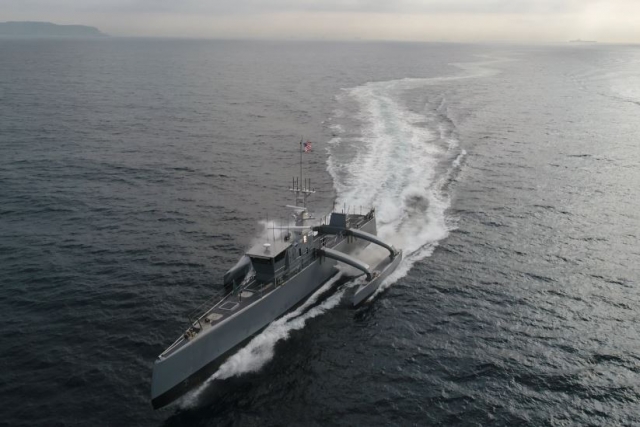
The U.S. has been building its kamikaze unmanned surface vessel (USV) fleet since 2024 when Ukraine first attacked Russian ships with USVs with devastating effect. USVs can travel fast, far and with with warhead of close to a ton in weight; enough to sink a medium sized warship.
Of this Ukrainian ‘Magura’ naval attack drone stands out for its high success rate. Some American companies have developed their own versions of the Magura. One of them is called Variant 7 from the American company Red Cat. Ukrainian media reported that this was probably used in the U.S. attack on Iran.
Iranian USVs
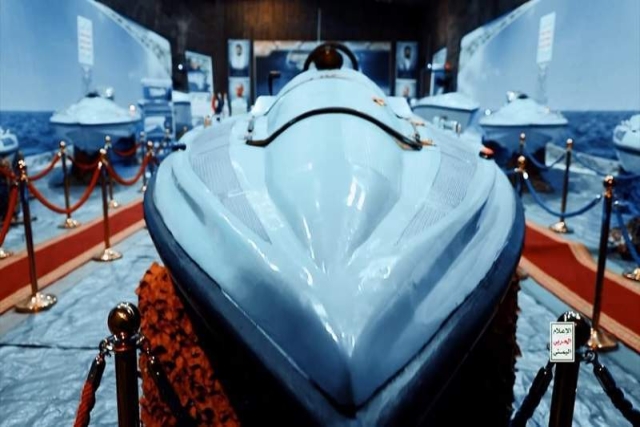
Iran has been a pioneer in the use of USV. On January 30, 2017, the Iranian Revolutionary Guard Corps Navy (IRGCN) helped Houthi rebels in Yemen to launch a USV attack on the Saudi frigate Al Madinah, killing two. Later, reports emerged of the Houthis own USV ‘Toofan’ being used to harass the U.S. Navy in the Red Sea 2023-2025.
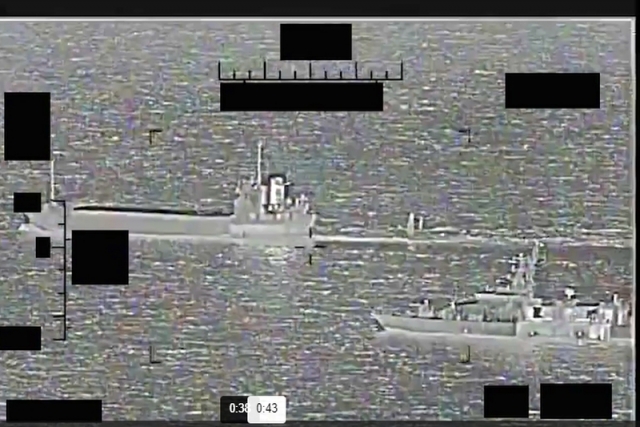
Iran has been using a combination of sea drones and UAVs to enforce its control over the Strait of Hormuz. On March 1, the tanker MKD Vyom was struck by a USV in the Gulf of Oman killing an Indian sailor. Then on March 5 the oil tanker Sonangol Namibe had its hull breached by a kamikaze USVs while at port in Iraq. On March 11 the American-owned tanker Safesea Vishnu was struck by two USVs during a ship-to-ship cargo transfer of flammable naphtha to the Greek tanker Zefyros, engulfing both ships in flame. The crew of Safesea Vishnu was forced to abandon ship with the loss of one life.
While the U.S. navy outguns and out-flies the Iranian Navy; using a clever combination of UAVs and USVs Tehran has brought shipping in the Persian Gulf to a near stand-to-still as insurers refuse to authorize passage.
Yemeni Houtis Switch from Air to Sea Drones for Red Sea Shipping...
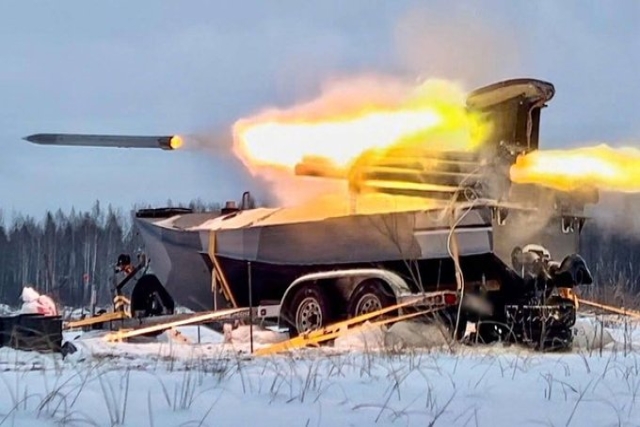
Ukrainian 'Sea Baby' USV Fitted with 122mm Grad Rocket Launchers
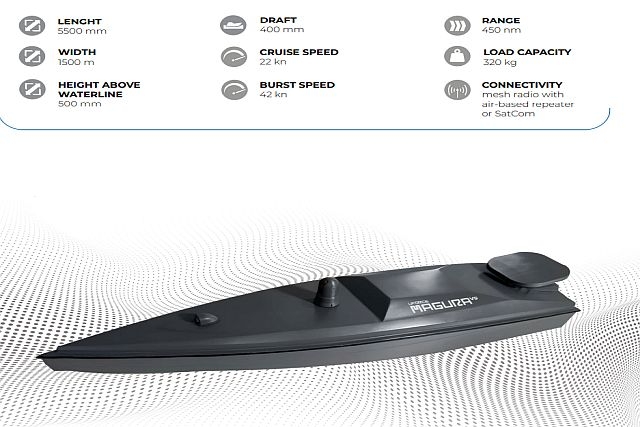
Global Hawk Drone Guided Ukrainian MAGURA V5 USV to Strike Russian Supply...
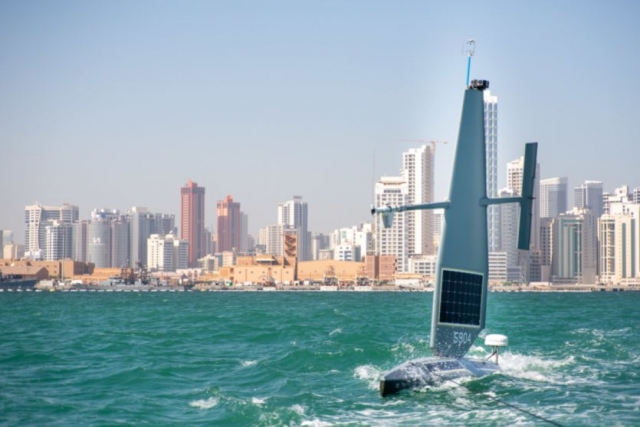
U.S. Navy Operates Saildrone USV in Arabian Gulf
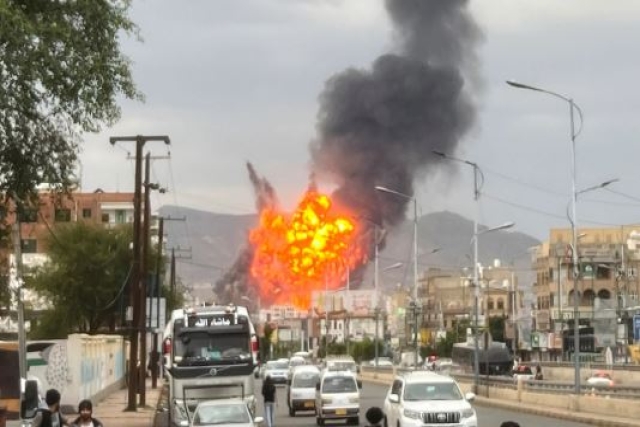
Houtis Fire Missiles at Saudi Airport after Riyadh Bombs Yemen’s Sanaa Airport...
Iran Blockade Back, Now U.S. to Charge 20% Hormuz Transit Fee
First Use of Unmanned Kamikaze Boat by the U.S. in Attack...
Russian FSB Prevents Ukrainian Plot to Attack Su-57 Fighter Bases with FPV...

One Month Since U.S., Israeli War Against Iran: Who Is Gaining?
One month after the United States and Israel launched coordinated strikes on Iran on February 28 the conflict has expanded...
Modern Tank Showdown: T-90MS, Leopard 2A7, M1E3 Abrams Compared
Main Battle Tanks (MBTs) have shown their mettle in recent conflicts such as in Ukraine despite being increasingly vulnerable to...
European Nations Prioritizing Europe-made IRIS-T & SAMP-T over American Patriot Air Defense Systems?
European nations looking to procure new air defense systems appear to be giving the much-vaunted American Patriot a miss in...
Russian T-90MS Crew Discuss Future Upgrades
Defense Mirror spoke with the crew members of the Russian T-90MS main battle tank, produced by UralVagonZavod

China's Mass-produced J-35A Aircraft Set to Disrupt Global Stealth Fighter Market
China is aiming to disrupt the global stealth fighter market by mass-producing its fifth-generation J-35A at a pace comparable to...

The Future of Combat: Miniaturized Laser Weapons Set to Replace Bullets and Missiles
Lasers may soon replace bullets, and drones could disable enemy UAVs with beams of light instead of missiles