U.S. Navy Vessel Blocks Russian Oil Tanker from Reaching Venezuela
Sanctioned Russian tanker twice turns back after encounter with U.S. destroyer in Caribbean
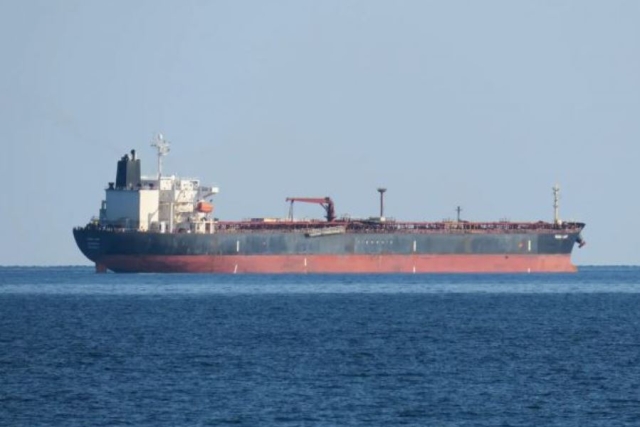
A sanctioned Russian oil tanker has been unable to reach Venezuela after repeated encounters with a U.S. Navy destroyer in the Caribbean, vessel-tracking data and Bloomberg reporting show.
The Comorian-flagged tanker Seahorse, operated by U.A.E.-based companies and designated part of Russia’s shadow fleet, was sailing toward Venezuela on 13 November when the USS Stockdale crossed its route off the country’s coast. The tanker immediately shifted course toward Cuba. Since then, it has twice attempted to approach Venezuela but retreated both times and remains idling in the Caribbean.
Bloomberg reported that Washington’s posture has raised questions over whether the U.S. intends to limit Moscow’s fuel deliveries to Caracas. The Seahorse is sanctioned by the U.S., EU, and U.K. for transporting Russian oil.
AIS data confirms the tanker’s continued presence near Venezuela, alongside two other sanctioned tankers — New Power and Azure Voyager. Venezuela, despite its oil reserves, still relies on imported fuel and lighter crude to keep its refineries operating.
It remains unknown whether the USS Stockdale made contact with the Russian vessel. U.S. Southern Command declined to comment on the destroyer’s movements. The Stockdale has been in the region since late September as part of U.S. anti-drug operations.
The tanker incident comes amid a sharp increase in U.S. naval activity near Venezuela. On 16 November, the carrier strike group led by the Gerald R. Ford entered the Caribbean, adding to U.S. presence close to Venezuelan waters. While U.S. forces have so far targeted only boats allegedly carrying narcotics, officials in Caracas accuse Washington of preparing for a broader intervention.
Analysts estimate Russia now controls about 17% of the global tanker market. European authorities warn these shadow vessels carry environmental and security risks and are used for covert activity, prompting EU discussions on new restrictions aimed at reducing Moscow’s oil revenue.

U.S. Weighs Sanctions Waiver for Hungary’s Russian Oil Imports
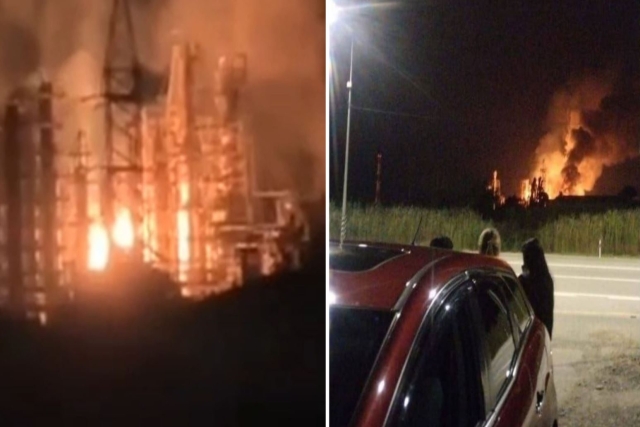
Ukrainian Drones Hit Russian Oil Refineries in Samara, Krasnodar

Russian Military Strikes Ukrainian Oil Refinery Supplying Donbas Forces
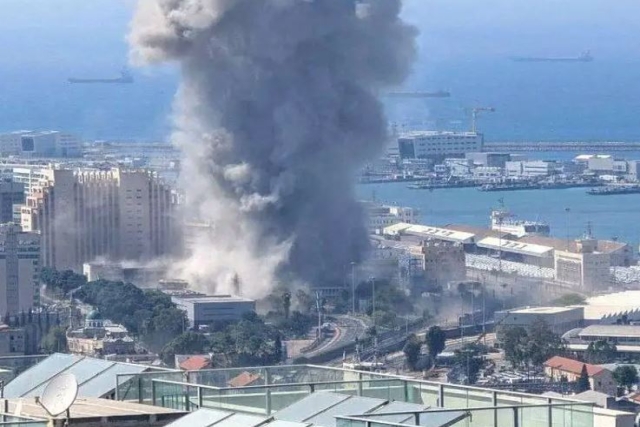
Israeli Oil Refining Capacity Severely Hindered in Iranian Strikes
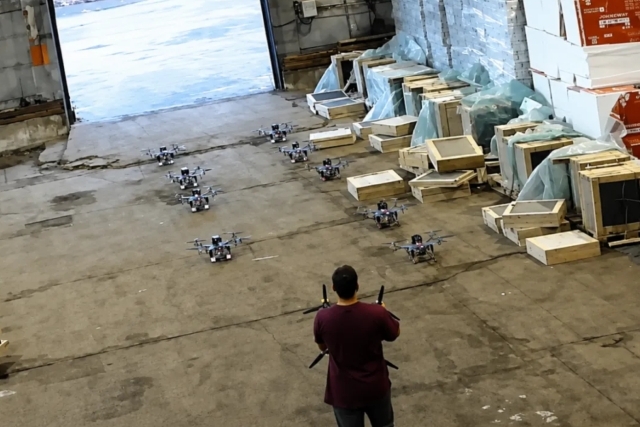
Ukrainian Plot to Attack Moscow-based Defense Enterprise with 35 FPV Drones Foiled

France Follows U.S. in Allowing Ukraine to Produce Air Defense Missiles
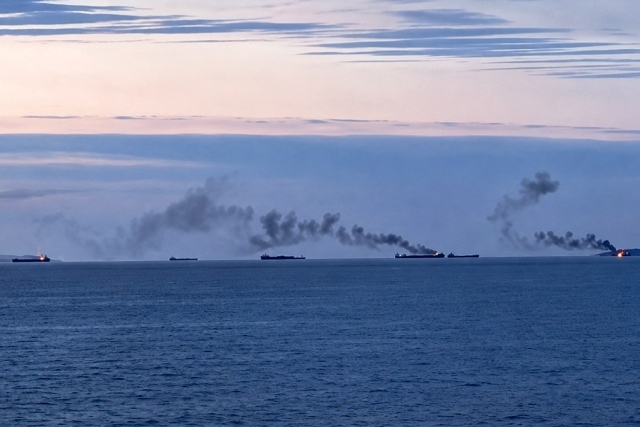
Russia, Ukraine Cause Significant Damage to Each Others’ Oil Tankers, Military Targets
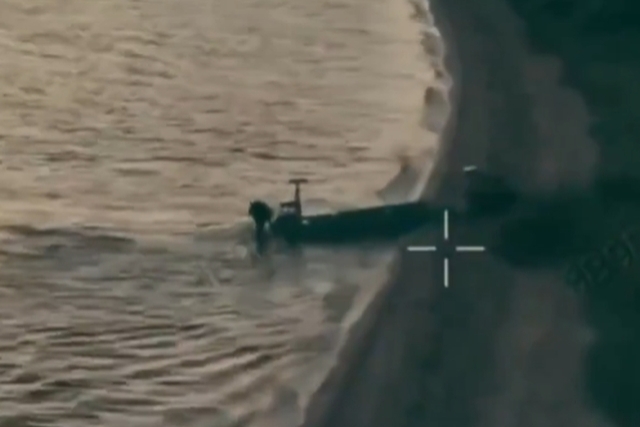
Ukraine Pulls Off World’s First Unmanned Amphibious Assault

One Month Since U.S., Israeli War Against Iran: Who Is Gaining?
One month after the United States and Israel launched coordinated strikes on Iran on February 28 the conflict has expanded...
Modern Tank Showdown: T-90MS, Leopard 2A7, M1E3 Abrams Compared
Main Battle Tanks (MBTs) have shown their mettle in recent conflicts such as in Ukraine despite being increasingly vulnerable to...
European Nations Prioritizing Europe-made IRIS-T & SAMP-T over American Patriot Air Defense Systems?
European nations looking to procure new air defense systems appear to be giving the much-vaunted American Patriot a miss in...

Russian T-90MS Crew Discuss Future Upgrades
Defense Mirror spoke with the crew members of the Russian T-90MS main battle tank, produced by UralVagonZavod

China's Mass-produced J-35A Aircraft Set to Disrupt Global Stealth Fighter Market
China is aiming to disrupt the global stealth fighter market by mass-producing its fifth-generation J-35A at a pace comparable to...

The Future of Combat: Miniaturized Laser Weapons Set to Replace Bullets and Missiles
Lasers may soon replace bullets, and drones could disable enemy UAVs with beams of light instead of missiles