Germany Clears New Assault Rifles, F-35 Missiles, Drones, Heavy Transport Procurement
Bundestag budget committee approves sweeping land, air, sea modernization package covering weapons, vehicles, surveillance, radars
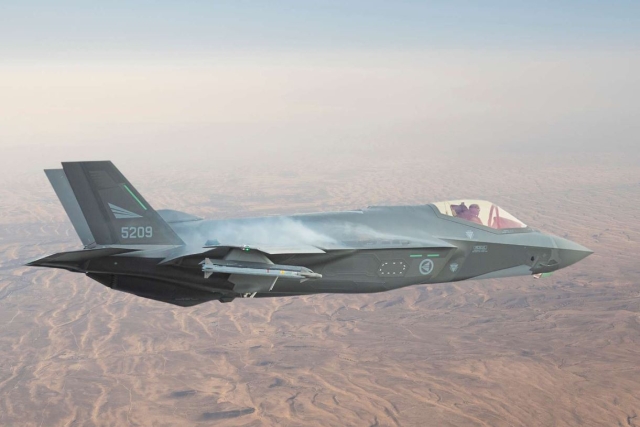
Germany’s parliamentary budget committee has approved multiple defense procurements covering new infantry weapons, cruise missiles for the F-35 fighter jet, drones, AI-based surveillance systems, armored vehicles, heavy transport trailers, and upgraded radar infrastructure for the Armed Forces.
The decision accelerates the full rollout of the G95 assault rifle, which is based on the Heckler & Koch HK416A8 and will replace the G36 as Germany’s standard service rifle. Lawmakers cleared the purchase of additional G95 rifles beyond the nearly 120,000 units approved in late 2022 to equip the entire force. The rifles will be issued with laser light modules for use with night-vision devices and main combat optics.
The committee also approved additional headsets with integrated hearing protection. The systems allow soldiers to communicate under combat conditions while reducing the risk of permanent hearing damage. Deliveries will begin in 2026 under an existing framework contract.
For ground mobility, the Bundeswehr will procure additional off-road military vehicles in command and military police variants, with deliveries scheduled between 2026 and 2027. The vehicles will be used to transport personnel and digital battlefield systems. Lawmakers simultaneously authorized the first orders of new 70-ton semi-trailers for heavy transport. The trailers will enable the movement of Leopard 2 main battle tanks and other tracked and wheeled vehicles under difficult terrain conditions, with deliveries starting in 2026.
In the air domain, funding was approved for additional cruise missiles for Germany’s future F-35A fighter fleet. The F-35 will replace the Tornado in NATO’s nuclear-sharing mission. The first German aircraft are scheduled to arrive in the United States in 2026 for pilot training, with operational deployment to Büchel Air Base planned for 2027.
The committee also authorized further procurement of Joint Strike Missiles in cooperation with Norway. The air-launched missiles are designed to strike both land and sea targets and are intended to strengthen Germany’s compliance with NATO ammunition stockpile targets.
On the reconnaissance front, lawmakers approved funding for the Uranos artificial-intelligence battlefield surveillance system. The program will create an AI-supported network of air and ground sensors to support tactical-level reconnaissance. The first deployment will be with Panzer Brigade 45 in Lithuania on NATO’s eastern flank. Eight complete systems from two manufacturers will be procured initially, with initial operational capability expected between 2026 and 2028.
Germany’s armed Heron TP drones will also see expanded operations. The budget committee approved an increase in the monthly flight-hour ceiling under the existing lease agreement. The five leased drones currently operate from Jagel Air Base and are intended as an interim capability until the Eurodrone enters service.
Close-range battlefield reconnaissance will be expanded through a new framework contract for the production and delivery of a high three-figure number of ALADIN drones. The lightweight systems provide real-time visual intelligence for frontline units and are designed for rapid deployment in both day and night operations.
In naval aviation, Germany approved funding for the redesign of the aging maritime surveillance radar processor on the naval variant of the NH90 helicopter. The redevelopment is being jointly financed with Belgium, Italy, and the Netherlands.
The committee also cleared funding for new test equipment for the Eurofighter radar. The existing systems are reaching the end of their service life. The radar remains the fighter’s primary sensor for target detection, tracking, missile guidance, and cannon engagement. All four Eurofighter partner nations are participating in the replacement program.
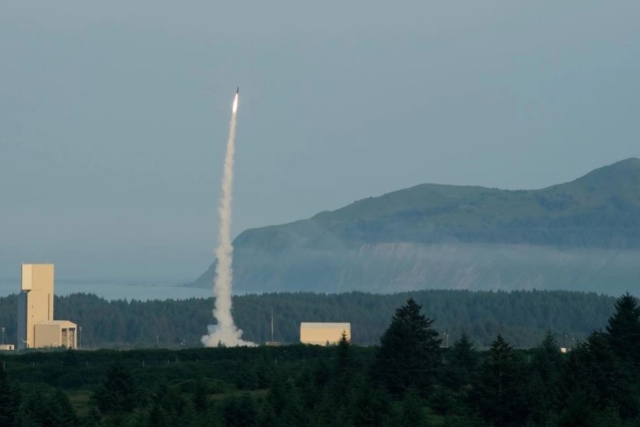
Israel Sends Delegation to Germany for Delivery of First Arrow 3 Operational
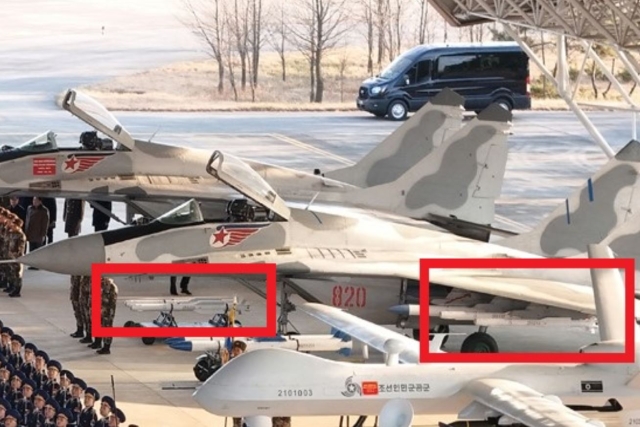
North Korea Reveals New Air-to-Air Missile Mirroring German IRIS-T
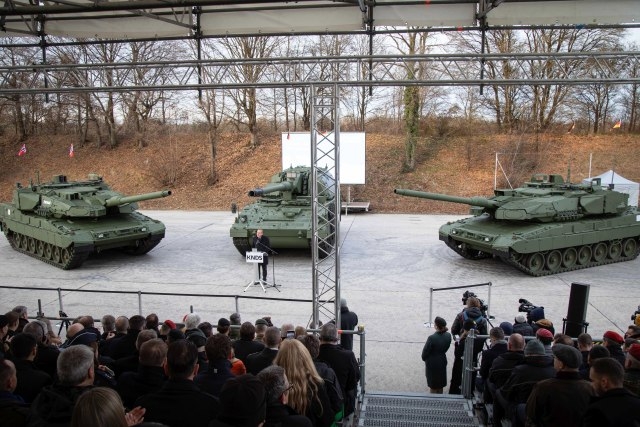
Germany, Norway to receive New Leopard 2A8 tanks, PzH 2000 Howitzers in

Germany Unveils Leopard 2A8 after 30 Years without New Battle Tank

U.S. Hits 7 Bridges in 6th Night of Aggression, Iran says 7...
Canada to Join GCAP Sixth Gen Fighter program as Observer
Commissioning of Taiwan’s First Indigenous Submarine Within Next 2 Months

US Armed Forces Members to Undergo Testing for Testosterone Levels

One Month Since U.S., Israeli War Against Iran: Who Is Gaining?
One month after the United States and Israel launched coordinated strikes on Iran on February 28 the conflict has expanded...
Modern Tank Showdown: T-90MS, Leopard 2A7, M1E3 Abrams Compared
Main Battle Tanks (MBTs) have shown their mettle in recent conflicts such as in Ukraine despite being increasingly vulnerable to...
European Nations Prioritizing Europe-made IRIS-T & SAMP-T over American Patriot Air Defense Systems?
European nations looking to procure new air defense systems appear to be giving the much-vaunted American Patriot a miss in...
Russian T-90MS Crew Discuss Future Upgrades
Defense Mirror spoke with the crew members of the Russian T-90MS main battle tank, produced by UralVagonZavod

China's Mass-produced J-35A Aircraft Set to Disrupt Global Stealth Fighter Market
China is aiming to disrupt the global stealth fighter market by mass-producing its fifth-generation J-35A at a pace comparable to...
The Future of Combat: Miniaturized Laser Weapons Set to Replace Bullets and Missiles
Lasers may soon replace bullets, and drones could disable enemy UAVs with beams of light instead of missiles