Hanwha Aerospace to Develop Propulsion System for Korean Lunar Lander
KARI will oversee the overall design of the lunar lander’s propulsion system
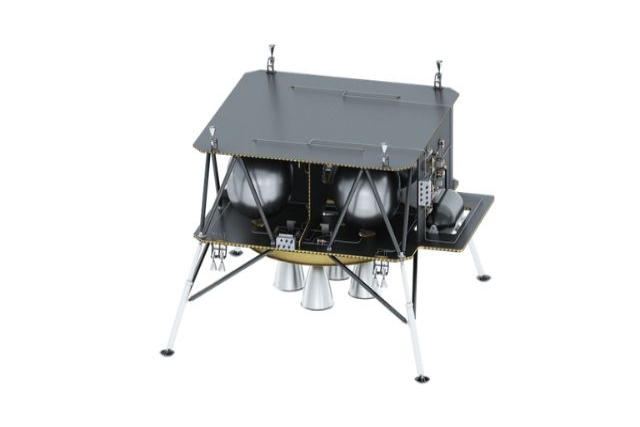
Hanwha Aerospace has secured a 103.3 billion won (about US$71.5 million) contract to develop the propulsion system for South Korea’s first lunar lander, which is scheduled for launch in 2032.
The contract was signed with the Korea Aerospace Research Institute (KARI) as part of the government’s lunar exploration program.
Under the agreement, Hanwha Aerospace will be responsible for the manufacturing, assembly, and testing of key propulsion components, including the landing engine and attitude control thrusters, through 2032.
According to Hanwha Aerospace, KARI will oversee the overall design of the lunar lander’s propulsion system, while Hanwha Aerospace will handle the full integration and testing of the system.
The propulsion system is critical for achieving a soft landing on the Moon, requiring precise thrust control and reliable propellant management.
Hanwha Aerospace is currently the only domestic company with the technology and infrastructure to develop a monomethyl hydrazine/nitrogen tetroxide (MMH/NTO)-based dual propulsion system, which meets the technical requirements for lunar landing missions.
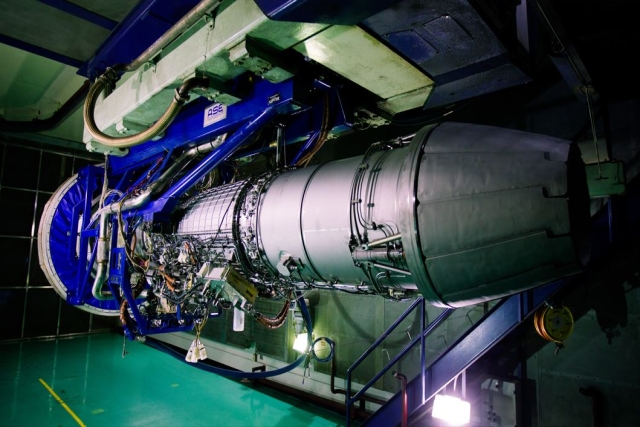
Hanwha Aerospace, KIMS Launch Joint Research Center to Develop Domestic Aircraft Engine...
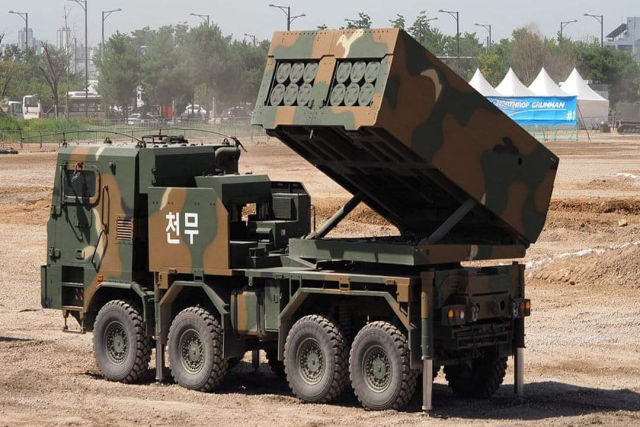
Hanwha Aerospace to Develop Chunmoo Rocket Launcher Simulator with Norway’s Akkodis Nordics...
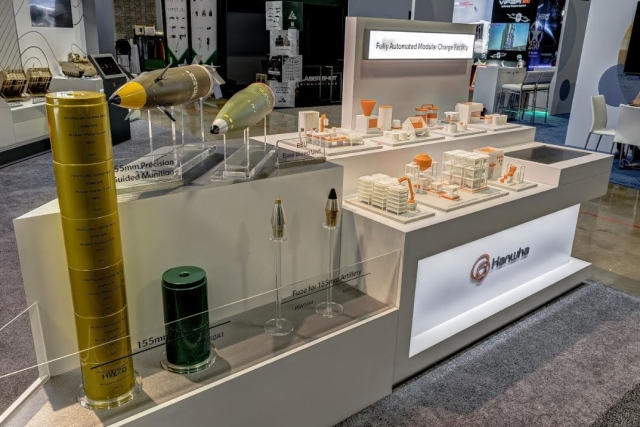
Hanwha Aerospace Signs $110M Deal with Sweden for Artillery Propellant Systems

Hanwha Aerospace Develops Vertical Launch System for Korean Aegis Destroyer

Houtis Fire Missiles at Saudi Airport after Riyadh Bombs Yemen’s Sanaa Airport...
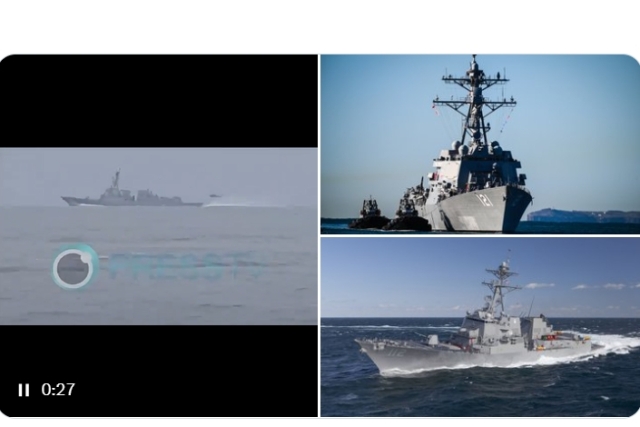
Iran Blockade Back, Now U.S. to Charge 20% Hormuz Transit Fee

First Use of Unmanned Kamikaze Boat by the U.S. in Attack...

Russian FSB Prevents Ukrainian Plot to Attack Su-57 Fighter Bases with FPV...

One Month Since U.S., Israeli War Against Iran: Who Is Gaining?
One month after the United States and Israel launched coordinated strikes on Iran on February 28 the conflict has expanded...

Modern Tank Showdown: T-90MS, Leopard 2A7, M1E3 Abrams Compared
Main Battle Tanks (MBTs) have shown their mettle in recent conflicts such as in Ukraine despite being increasingly vulnerable to...
European Nations Prioritizing Europe-made IRIS-T & SAMP-T over American Patriot Air Defense Systems?
European nations looking to procure new air defense systems appear to be giving the much-vaunted American Patriot a miss in...
Russian T-90MS Crew Discuss Future Upgrades
Defense Mirror spoke with the crew members of the Russian T-90MS main battle tank, produced by UralVagonZavod

China's Mass-produced J-35A Aircraft Set to Disrupt Global Stealth Fighter Market
China is aiming to disrupt the global stealth fighter market by mass-producing its fifth-generation J-35A at a pace comparable to...
The Future of Combat: Miniaturized Laser Weapons Set to Replace Bullets and Missiles
Lasers may soon replace bullets, and drones could disable enemy UAVs with beams of light instead of missiles