Raytheon Completes Second NGSRI Test for U.S. Army
The missile system is being developed to replace the Stinger® surface-to-air missile.

Raytheon has successfully completed a second ballistic test of the U.S. Army’s Next Generation Short Range Interceptor (NGSRI).
The missile system is being developed to replace the Stinger® surface-to-air missile.The latest test demonstrated the interceptor’s ability to track drone targets and be launched from a man-portable system.
The test was conducted to demonstrate technical maturity and to collect key data ahead of an upcoming flight test demonstration.
According to RTX, Raytheon worked with Northrop Grumman in 2025 to conduct multiple successful tests of Highly Loaded Grain (HLG) solid rocket motors. The HLG technology provides longer burn time and greater energy output than conventional solid rocket motors, extending the range of the NGSRI.
NGSRI is the U.S. Army’s next-generation short-range missile designed to fly faster and perform more effectively against aerial threats than current interceptors. The missile can be fired from either a vehicle-mounted launcher or a shoulder-fired system.

Raytheon, Northrop Grumman Complete Key Tests of New U.S. Army Short-Range Interceptor...

Raytheon Delivers First Anti-Hypersonic Radar to U.S. Missile Defense Agency
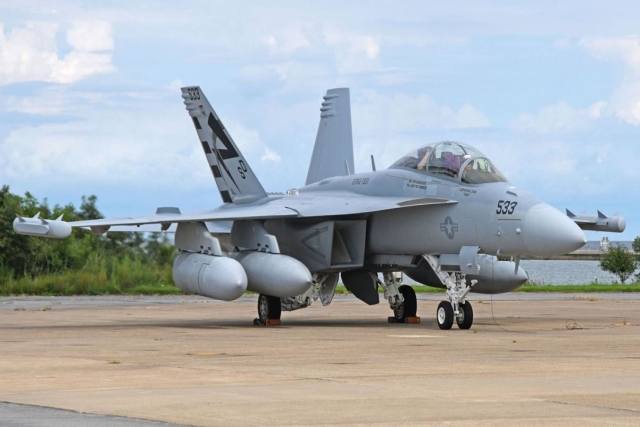
U.S. Navy Awards Raytheon $580M Contract for Next Generation Jammer
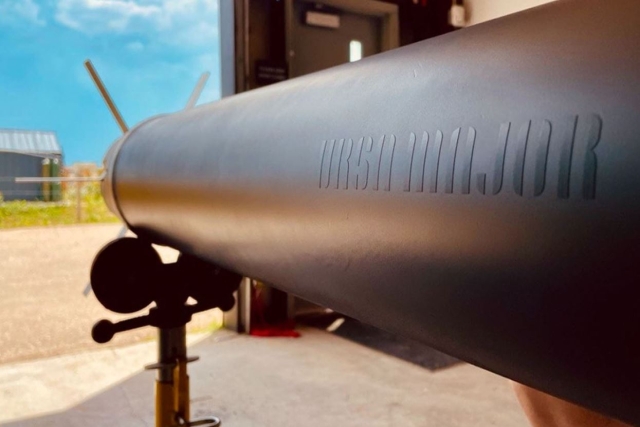
Raytheon, Ursa Major Test Long-Range Rocket Motor for U.S. Army

2 US troops KILLED, 1 Missing, 4 Injured in Iran Missile Strikes

Russia's Unmanned Systems Group Signs Several International Contracts to Sell its Supercam...

50 Killed, 500 Injured in U.S. Airstrikes Against Iranian

US Turns Israel’s Ben Gurion Airport into Forward Base for War...

One Month Since U.S., Israeli War Against Iran: Who Is Gaining?
One month after the United States and Israel launched coordinated strikes on Iran on February 28 the conflict has expanded...

Modern Tank Showdown: T-90MS, Leopard 2A7, M1E3 Abrams Compared
Main Battle Tanks (MBTs) have shown their mettle in recent conflicts such as in Ukraine despite being increasingly vulnerable to...
European Nations Prioritizing Europe-made IRIS-T & SAMP-T over American Patriot Air Defense Systems?
European nations looking to procure new air defense systems appear to be giving the much-vaunted American Patriot a miss in...

Russian T-90MS Crew Discuss Future Upgrades
Defense Mirror spoke with the crew members of the Russian T-90MS main battle tank, produced by UralVagonZavod

China's Mass-produced J-35A Aircraft Set to Disrupt Global Stealth Fighter Market
China is aiming to disrupt the global stealth fighter market by mass-producing its fifth-generation J-35A at a pace comparable to...

The Future of Combat: Miniaturized Laser Weapons Set to Replace Bullets and Missiles
Lasers may soon replace bullets, and drones could disable enemy UAVs with beams of light instead of missiles