Iran Supreme Leader Ali Khamenei Killed in U.S.-Israel Strikes
40 Days of Mourning Declared as Region Braces for Escalation
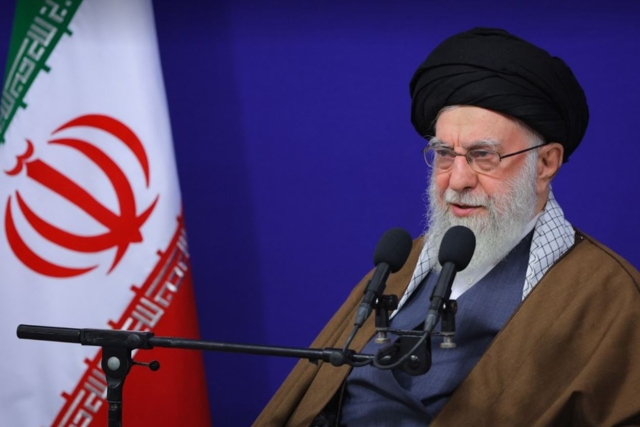
Iran’s Supreme Leader Ali Khamenei was killed in U.S.-Israel strikes, Iranian state media confirmed on Sunday, triggering national mourning and renewed military exchanges across the region.
Tasnim News Agency, affiliated with the Islamic Revolutionary Guard Corps, reported that Khamenei was “martyred” following attacks it described as “U.S.-Israeli terrorist attacks” on Saturday morning. Iranian state news agencies echoed the confirmation and referred to him as a martyr.
In a statement released early Sunday, Iran’s Cabinet of Ministers declared 40 days of national mourning and seven days of public holiday. “This major crime will not remain unanswered and those behind it will be made to regret their move,” the administration said, while offering condolences to the Iranian nation and the wider Muslim community. Khamenei’s daughter, son-in-law and grandson are also believed to have been killed in the attacks.
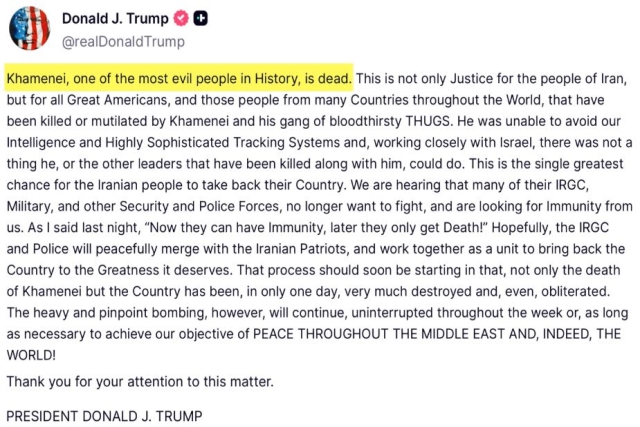
The confirmation came hours after former U.S. President Donald Trump announced Khamenei’s killing, stating he had a “good idea” of who he wanted to replace the supreme leader and that U.S. attacks would continue for as long as necessary.
Under Iran’s constitution, the death of the supreme leader initiates a transition process in which the president, the head of the judiciary and a cleric from the Guardian Council form a temporary leadership council until a successor is appointed.
As the announcement spread, Israel’s military said it launched another wave of strikes across western and central Iran. In a statement, it said dozens of Air Force fighter jets targeted ballistic missile arrays and air defence systems, striking more than 30 sites. Israel said operations would continue against missile infrastructure, military headquarters and other “regime targets.”
Iranian authorities said their armed forces responded by launching missile and drone strikes on Israeli-occupied territories and American bases in the region.
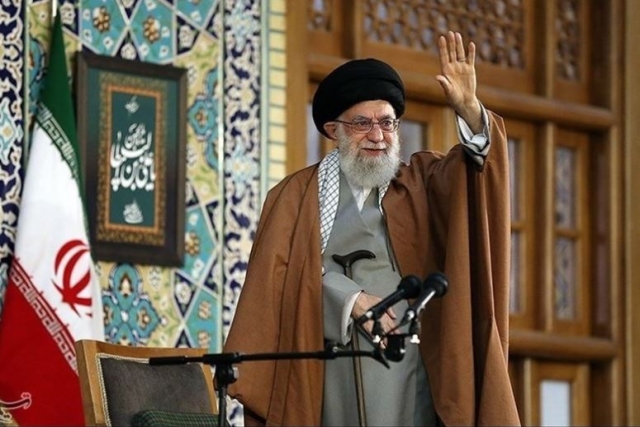
Why did the U.S. want Khamenei dead?
Ali Khamenei led Iran from 1989, succeeding Ruhollah Khomeini, and consolidated the Islamic Revolutionary Guard Corps (IRGC) as a key instrument of domestic control and regional operations.
Over 37 years, he backed allied groups in Syria, Iraq, Yemen and Gaza under the “Axis of Resistance,” supporting involvement in the Syrian civil war, Iraqi conflict, Yemeni civil war, the Gaza war and Russia in the Russo-Ukrainian war. He maintained a civilian nuclear program while issuing a religious decree banning weapons of mass destruction, though U.S. officials alleged Iran rebuilt nuclear-related capacity and expanded ballistic missiles.
A critic of Israel and Zionism, Khamenei supported Palestinians in the Israeli–Palestinian conflict and called for Israel’s destruction, language that included antisemitic tropes. Iran engaged in proxy confrontations with Israel and Saudi Arabia, and in 2025–2026 tensions with Israel and the U.S. escalated into a 12-day conflict and continued strikes.
U.S. intelligence claimed Iran was planning pre-emptive attacks and had rejected diplomatic efforts, including Geneva talks.
President Donald Trump said the operation sought regime change, calling Khamenei “one of the most evil people in history” and his death the “single greatest chance” for Iranians to “take back their country.”
In addition, Washington cited Iran’s January 2026 protest crackdown and said it aimed to dismantle Tehran’s regional network, including Houthis, Hezbollah and Hamas.
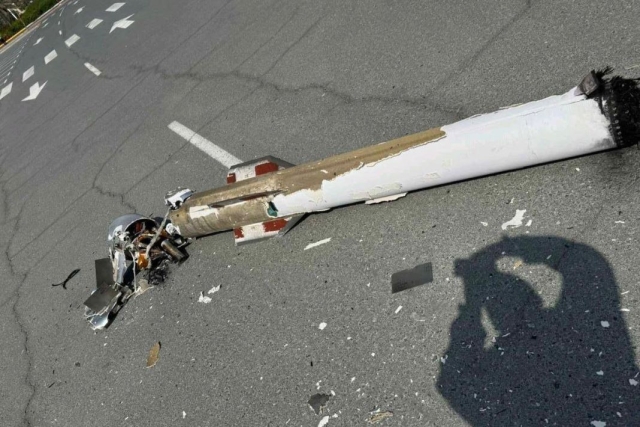
Iran Used Shahed-136 Loitering Munitions to Attack U.S. Bases in Gulf Countries...

U.S. Bases Unscathed As Most Iranian Missiles Intercepted in 6 Mid-East Nations

Explosion in Abu Dhabi; U.A.E. says Intercepted Iranian Missiles
U.S. Naval Base in Bahrain under Attack from Iran, 20-Storey Building Damaged...
Houtis Fire Missiles at Saudi Airport after Riyadh Bombs Yemen’s Sanaa Airport...

Iran Blockade Back, Now U.S. to Charge 20% Hormuz Transit Fee
First Use of Unmanned Kamikaze Boat by the U.S. in Attack...
Russian FSB Prevents Ukrainian Plot to Attack Su-57 Fighter Bases with FPV...
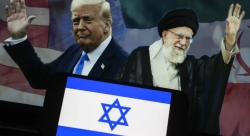
One Month Since U.S., Israeli War Against Iran: Who Is Gaining?
One month after the United States and Israel launched coordinated strikes on Iran on February 28 the conflict has expanded...
Modern Tank Showdown: T-90MS, Leopard 2A7, M1E3 Abrams Compared
Main Battle Tanks (MBTs) have shown their mettle in recent conflicts such as in Ukraine despite being increasingly vulnerable to...
European Nations Prioritizing Europe-made IRIS-T & SAMP-T over American Patriot Air Defense Systems?
European nations looking to procure new air defense systems appear to be giving the much-vaunted American Patriot a miss in...

Russian T-90MS Crew Discuss Future Upgrades
Defense Mirror spoke with the crew members of the Russian T-90MS main battle tank, produced by UralVagonZavod

China's Mass-produced J-35A Aircraft Set to Disrupt Global Stealth Fighter Market
China is aiming to disrupt the global stealth fighter market by mass-producing its fifth-generation J-35A at a pace comparable to...

The Future of Combat: Miniaturized Laser Weapons Set to Replace Bullets and Missiles
Lasers may soon replace bullets, and drones could disable enemy UAVs with beams of light instead of missiles