Israel Targets Beirut after Hezbollah Rocket Fire; Iran Launches Missiles toward Israel
Airstrikes hit Lebanese capital following attack near Haifa as regional tensions intensify

Residents in Beirut woke to the sound of Israeli airstrikes after Hezbollah said it launched rockets and drones toward a military base near Haifa.
Iran-backed Hezbollah said early Monday that its attack near Haifa was retaliation for the killing of Iranian Supreme Leader Ayatollah Ali Khamenei. The group described the strike as carried out “in defense of Lebanon and its people” and “in response to the repeated Israeli aggressions.”
Within hours, Israeli jets hit targets in Beirut and other areas of Lebanon, including villages in the south and parts of the Bekaa Valley. The Israeli military said it was striking Hezbollah positions across the country and later stated that senior members of the group had been targeted in the Beirut area and southern Lebanon, without naming them.
“We have launched an offensive campaign against Hezbollah,” Israel’s Chief of Staff, Maj. Gen. Eyal Zamir, confirmed.
Northern Command Commander Maj. Gen. Rafi Milou claimed Hezbollah had “launched an attack on our civilians” and warned it would “pay a heavy price.” He said Israeli forces had reinforced positions along the border and launched a broad wave of strikes in Beirut and southern Lebanon, adding that operations would continue.
As tensions rose, Israel issued evacuation calls for residents in more than 50 villages in southern Lebanon and the Bekaa Valley, including Bint Jbeil, urging people to stay at least one kilometre away from certain locations.
Later, the Israeli military said missiles had been launched from Iran toward Israel. Air defense systems were activated, and residents in affected areas were instructed to enter protected spaces following alerts sent to mobile phones.
The escalation comes despite a ceasefire reached in November 2024. Since then, Israel has continued strikes in Lebanon, while Hezbollah had largely refrained from responding and called on the Lebanese government to address what it describes as Israeli violations.
In January, Beirut filed a complaint with the United Nations documenting 2,036 Israeli violations of Lebanese sovereignty over three months. Lebanese Prime Minister Nawaf Salam criticized Hezbollah’s latest move, calling it “an irresponsible and suspicious act that jeopardizes Lebanon’s security and safety,” and said authorities would take steps to prevent further escalation.

Israel, US Strikes Kills 40 Iranian Commanders, 100+ Schoolchildren, Destroys Several Airfields...

Iran Supreme Leader Ali Khamenei Killed in U.S.-Israel Strikes
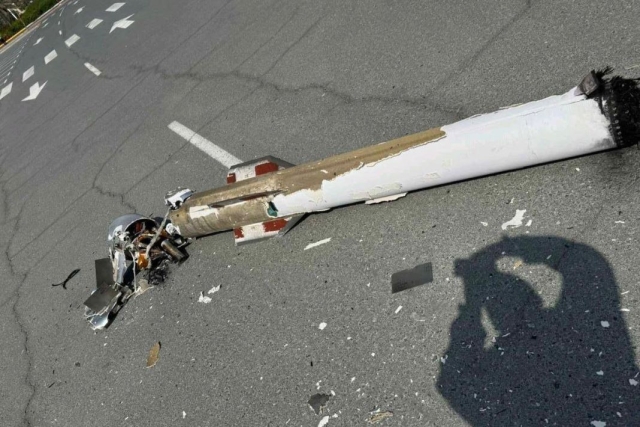
Iran Used Shahed-136 Loitering Munitions to Attack U.S. Bases in Gulf Countries...

U.S. Bases Unscathed As Most Iranian Missiles Intercepted in 6 Mid-East Nations
French DGA Awards Contract to Procure 75 Million Rounds of Small Arms
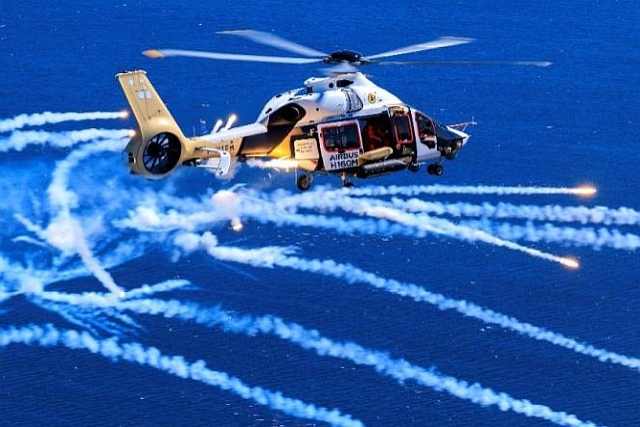
French Army’s All New 'Cheetah' Attack Helicopter Conducts First Firing During Flight...
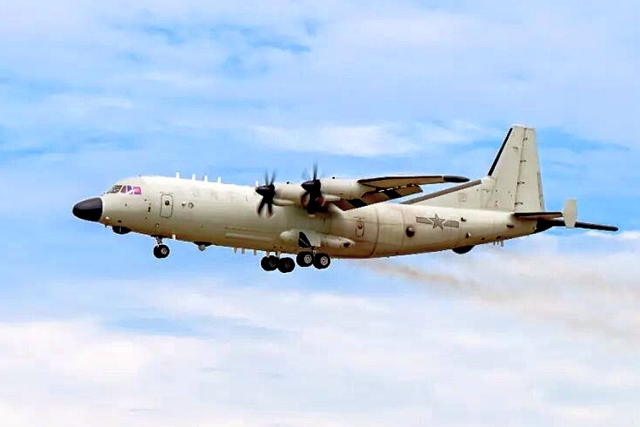
China’s Upgraded Y-9 Anti-submarine Patrol Aircraft Makes First Public Appearance
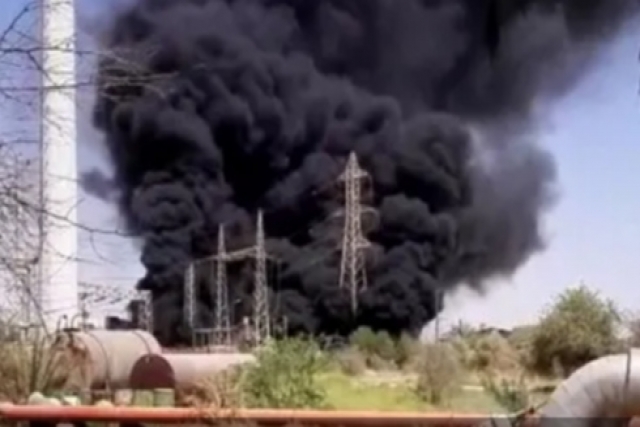
U.S. Hits 7 Bridges in 6th Night of Aggression, Iran says 7...

One Month Since U.S., Israeli War Against Iran: Who Is Gaining?
One month after the United States and Israel launched coordinated strikes on Iran on February 28 the conflict has expanded...
Modern Tank Showdown: T-90MS, Leopard 2A7, M1E3 Abrams Compared
Main Battle Tanks (MBTs) have shown their mettle in recent conflicts such as in Ukraine despite being increasingly vulnerable to...
European Nations Prioritizing Europe-made IRIS-T & SAMP-T over American Patriot Air Defense Systems?
European nations looking to procure new air defense systems appear to be giving the much-vaunted American Patriot a miss in...
Russian T-90MS Crew Discuss Future Upgrades
Defense Mirror spoke with the crew members of the Russian T-90MS main battle tank, produced by UralVagonZavod

China's Mass-produced J-35A Aircraft Set to Disrupt Global Stealth Fighter Market
China is aiming to disrupt the global stealth fighter market by mass-producing its fifth-generation J-35A at a pace comparable to...

The Future of Combat: Miniaturized Laser Weapons Set to Replace Bullets and Missiles
Lasers may soon replace bullets, and drones could disable enemy UAVs with beams of light instead of missiles