U.S. Army Receives First Optionally Piloted Black Hawk Helicopter for Testing
Autonomous flight system enters evaluation phase under long-running ALIAS program
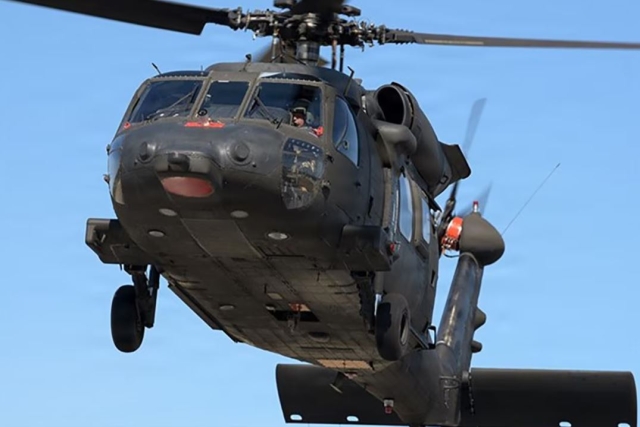
The U.S. Army has received its first H-60Mx Black Hawk helicopter configured for both autonomous and piloted flight, with the aircraft set to enter a formal testing phase.
The helicopter incorporates technology developed under the Defense Advanced Research Projects Agency’s Aircrew Labor In-Cockpit Automation System (ALIAS) program, which began more than a decade ago to create a removable automation kit for existing aircraft.
A military aircraft manufacturer partnered with the research agency to develop the autonomy system, which has undergone demonstrations on rotary- and fixed-wing platforms and is now ready for military evaluation.
The upgraded Black Hawk features an optionally piloted vehicle kit that allows operations with onboard crew, remotely from the ground, or fully autonomously. The system includes an autonomy mission manager and a software development kit for integrating third-party software and sensors.
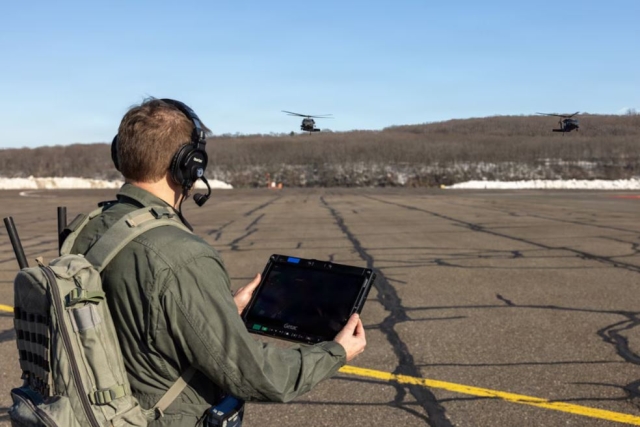
The aircraft replaces traditional mechanical controls with a fly-by-wire system designed to improve stability and handling, particularly in low-visibility conditions, while automating key flight functions.
Army test pilots and engineers will assess the helicopter’s ability to perform autonomous missions, operate under remote supervision, and function in complex scenarios.
The aircraft will serve as a test platform for the Strategic Autonomy Flight Enabler (SAFE) program, which aims to develop a scalable autonomy kit for wider deployment across the Army’s Black Hawk fleet and future aircraft.
Autonomy testing is also being supported in Texas through collaboration with Texas A&M University George H.W. Bush Combat Development Complex, where modified UH-60L helicopters are being used to study applications such as wildland firefighting and other state missions.
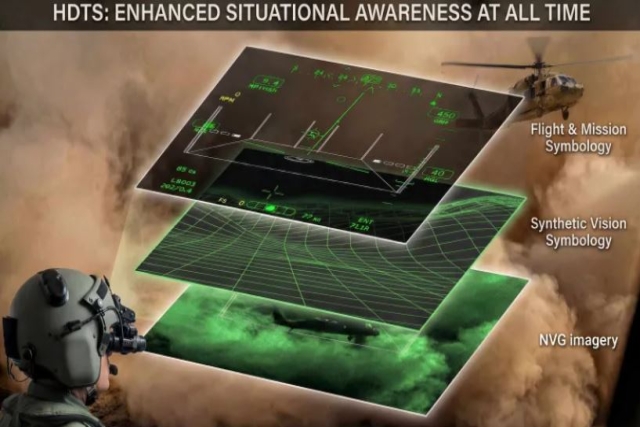
Elbit Systems to Supply Helmet Display System for Israeli Black Hawk Fleet
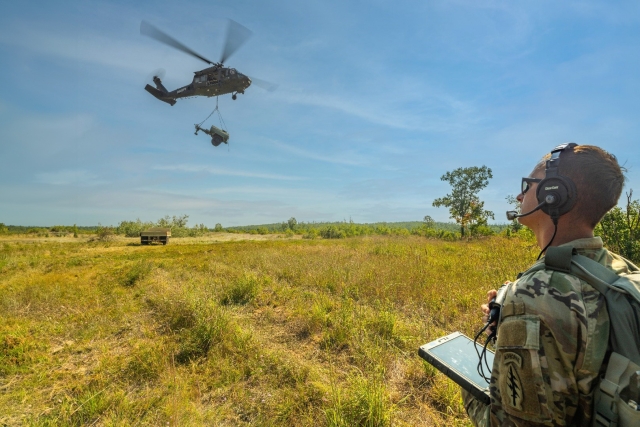
U.S. Soldier Commands Autonomous Black Hawk Missions for First Time
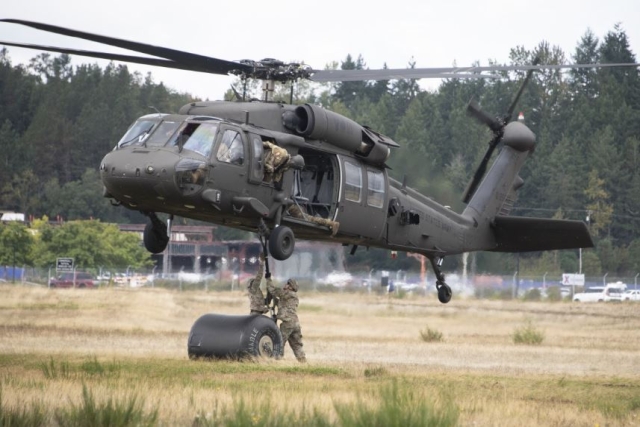
U.S. Army Awards Sikorsky $43M Contract for Black Hawk Modernization
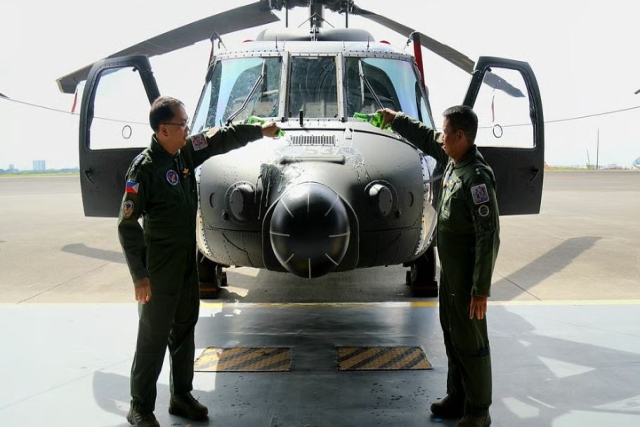
Philippines Receives Five New Black Hawk Helicopters

70 Civilians killed, 360 Injured in Ukrainian Strikes on Russian Economic Targets

Hand to Hand Combat Between Chinese, Philippine Soldiers in South China Sea

2 US troops KILLED, 1 Missing, 4 Injured in Iran Missile Strikes
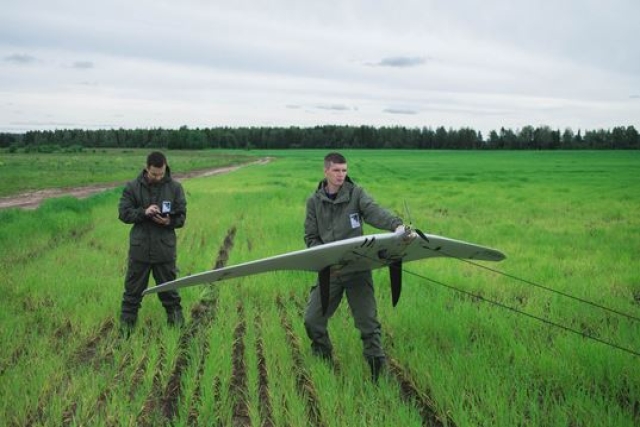
Russia's Unmanned Systems Group Signs Several International Contracts to Sell its Supercam...

One Month Since U.S., Israeli War Against Iran: Who Is Gaining?
One month after the United States and Israel launched coordinated strikes on Iran on February 28 the conflict has expanded...
Modern Tank Showdown: T-90MS, Leopard 2A7, M1E3 Abrams Compared
Main Battle Tanks (MBTs) have shown their mettle in recent conflicts such as in Ukraine despite being increasingly vulnerable to...
European Nations Prioritizing Europe-made IRIS-T & SAMP-T over American Patriot Air Defense Systems?
European nations looking to procure new air defense systems appear to be giving the much-vaunted American Patriot a miss in...
Russian T-90MS Crew Discuss Future Upgrades
Defense Mirror spoke with the crew members of the Russian T-90MS main battle tank, produced by UralVagonZavod

China's Mass-produced J-35A Aircraft Set to Disrupt Global Stealth Fighter Market
China is aiming to disrupt the global stealth fighter market by mass-producing its fifth-generation J-35A at a pace comparable to...
The Future of Combat: Miniaturized Laser Weapons Set to Replace Bullets and Missiles
Lasers may soon replace bullets, and drones could disable enemy UAVs with beams of light instead of missiles