U.S. Running out of THAAD Interceptors, But Has Sufficient Stock of Bombs
Congressional report flags interceptor shortages amid sustained operations, while bomb supplies remain available
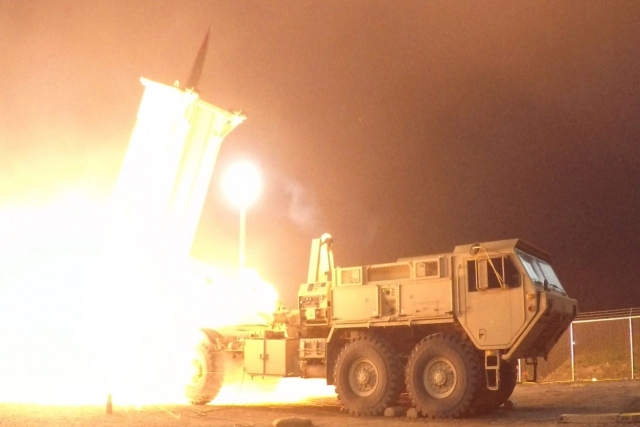
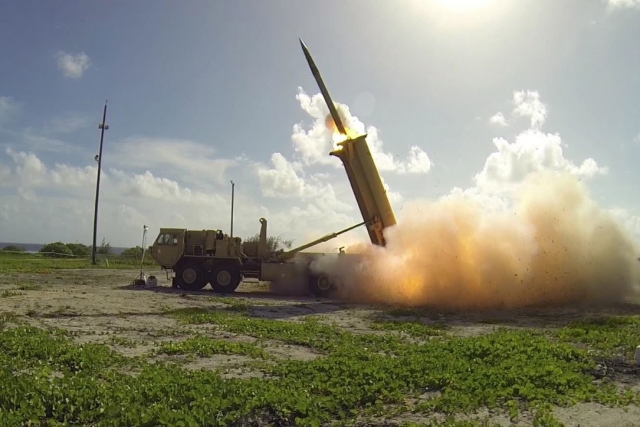
A U.S. congressional report indicates that the stockpile of THAAD ballistic missile interceptors has been reduced due to ongoing operational use, raising concerns about sustainability in extended conflicts.
The document states that the rate of interceptor use during Operation Legendary Fury has “further depleted the limited stockpile,” highlighting pressure on missile defense resources. Each THAAD interceptor is estimated to cost between $12 million and $15 million, with replenishment timelines ranging from three to eight years due to production constraints.
Data cited in the report shows that THAAD systems achieved interception rates of around 90% against Iranian ballistic missiles and drones during deployments in the Middle East, including operations linked to the United Arab Emirates. This performance level is described as comparable to the Arrow 3 system, jointly developed by the U.S. and Israel.
The report also notes that during Operation Kalavy in June, THAAD accounted for roughly half of the interceptions used to defend Israeli airspace. A total of 92 interceptions were carried out from an estimated stockpile of 632 interceptors, further reducing available inventory.
Additional analysis from the Foreign Policy Research Institute highlights the scale of U.S. military activity during the opening phase of Operation Fury. In the first four days, U.S. forces used 5,197 weapons and munitions across 35 categories, with total costs estimated between $10 billion and $16 billion.
Despite the strain on interceptor inventories, the report states that there is no immediate shortage of bombs. It notes that while bombing operations can continue, limitations are emerging in critical supporting systems such as interceptors, long-range strike weapons, and sensor networks.
The assessment warns that sustained use of precision munitions and defensive interceptors could affect readiness for future conflicts, stating that ongoing operations risk reducing preparedness for potential large-scale scenarios in other regions.
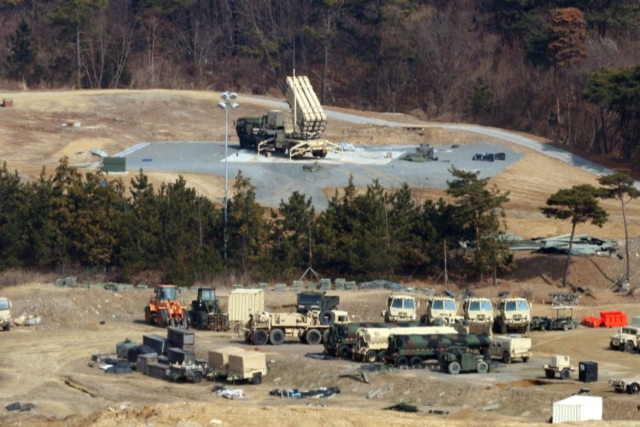
U.S. Removes THAAD Launchers from South Korea for Middle East Deployment
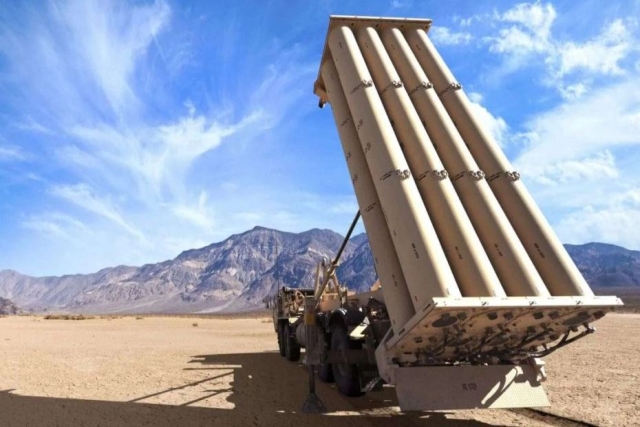
Lockheed Martin to Quadruple THAAD Interceptor Production Capacity
American THAAD Unit Honored for Defending Israel during Operation ‘Am Kalavi’ against...
U.S. Awards $2B THAAD Missile Defense Contract to Lockheed Martin

Indonesia Signs Agreement with Leonardo to Buy AW-149 Helicopter

Russia Strikes Ukrainian Arms Show Venue, 10 Killed, 100 Injured

A Bridge for a Cargo Ship- Trump Announces Tit-for-Tat Attacks Against Iran
Cyber warfare against Russia? SSL Certificates of Many Government, Media Websites Revoked

One Month Since U.S., Israeli War Against Iran: Who Is Gaining?
One month after the United States and Israel launched coordinated strikes on Iran on February 28 the conflict has expanded...
Modern Tank Showdown: T-90MS, Leopard 2A7, M1E3 Abrams Compared
Main Battle Tanks (MBTs) have shown their mettle in recent conflicts such as in Ukraine despite being increasingly vulnerable to...
European Nations Prioritizing Europe-made IRIS-T & SAMP-T over American Patriot Air Defense Systems?
European nations looking to procure new air defense systems appear to be giving the much-vaunted American Patriot a miss in...
Russian T-90MS Crew Discuss Future Upgrades
Defense Mirror spoke with the crew members of the Russian T-90MS main battle tank, produced by UralVagonZavod

China's Mass-produced J-35A Aircraft Set to Disrupt Global Stealth Fighter Market
China is aiming to disrupt the global stealth fighter market by mass-producing its fifth-generation J-35A at a pace comparable to...

The Future of Combat: Miniaturized Laser Weapons Set to Replace Bullets and Missiles
Lasers may soon replace bullets, and drones could disable enemy UAVs with beams of light instead of missiles