Search Results
-
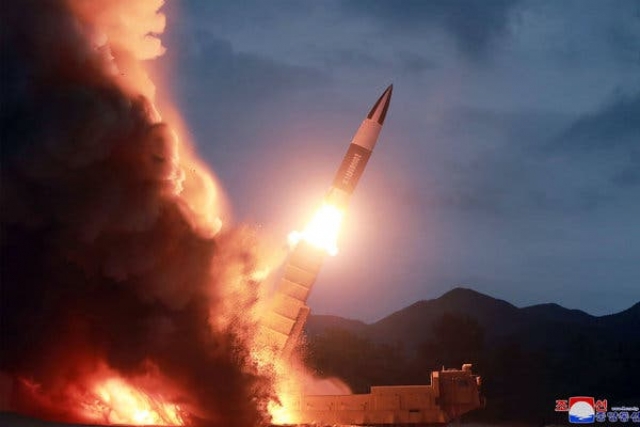
North Korea’s "Super- Large" Multiple Rocket Launcher Firing Stuns Seoul
November 28, 2019 @ 12:07 PMA rocket projectile fired from a "super-large" multiple rocket launcher firing system by North Korea has stunned Seoul with its speed and unchallenged flight. The two projectiles flew some 380 km reaching an altitude of 97 km and fell in the sea off the South Hamgyong province of North Korea, the South Korea military said
-
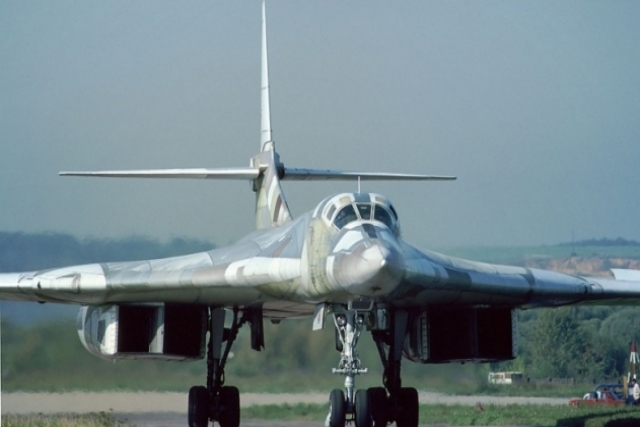
Flight Tests of Modernised Tu-160M Strategic Bomber to Begin
November 28, 2019 @ 11:57 AMFlight tests of Russias first “heavily upgraded” Tupolev Tu-160M strategic bomber is scheduled to begin soon with the aircraft being transported from Kazan factory to the testing ground. “The first heavily upgraded Tu-160M strategic bomber was transferred from the production workshops to the flight testing station of the Kazan Aviation Enterprise on November 28, for factory ground and flight tests," a source in the defense industry divulged
-
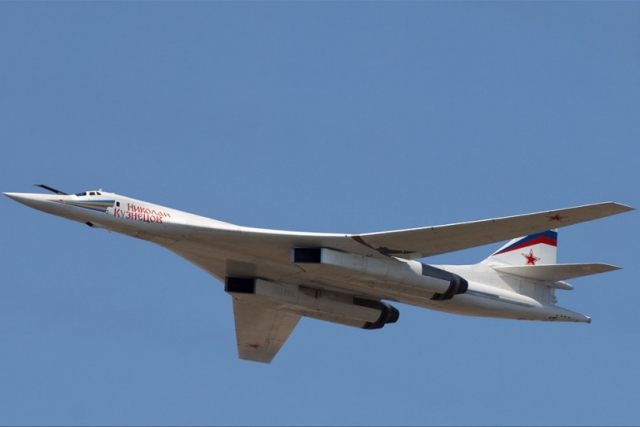
Upgraded Tu-160 Soviet-era Strategic Bomber to Enter Service in 2021
November 25, 2019 @ 08:38 AMThe modernised version of Soviet-era Tu-160 strategic bomber, is set to enter Russian military service in 2021. “Construction of the modernised Tu-160M for the Ministry of Defense has already begun
-
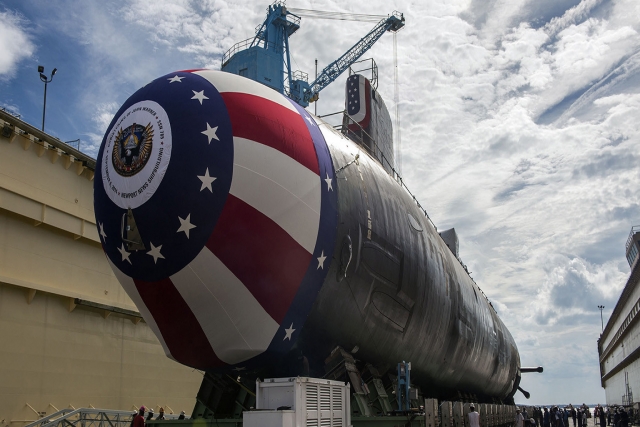
Bechtel Bags US Navy's $1.4Bn Naval Nuclear Propulsion Components Contract
November 16, 2019 @ 05:53 AMBechtel Plant Machinery has won three of the United States Navys Naval Nuclear Propulsion Program contracts worth $1.43 billion combined
-

Lockheed Wins $3.33Bn to Support Military Communication Satellites
November 16, 2019 @ 05:23 AMThe Pentagon has awarded Lockheed Martin $3.33 billion to support Advanced Extremely High Frequency (AEHF), Milstar and other satellites meant to relay secure communications for the armed forces of United States, Britain, Canada, Netherlands and Australia
-
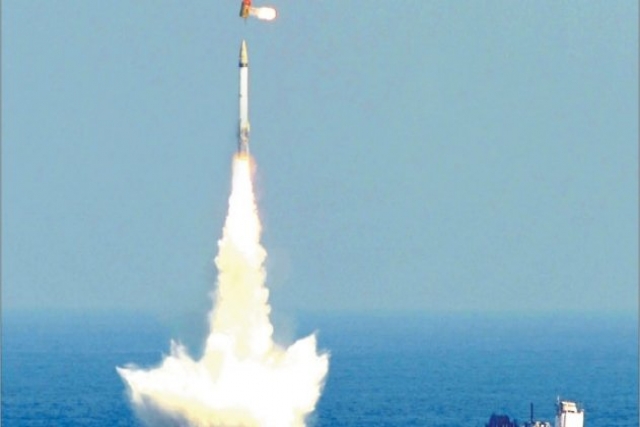
India to Test K-4 Long-range Nuclear Missile: Reports
November 7, 2019 @ 05:06 PMIndia is planning to test-fire its K-4 nuclear missile with 3,500km strike-range on Friday, local media reported. The test will be conducted from an underwater platform off the coast of Andhra Pradesh on Friday, ANI
-
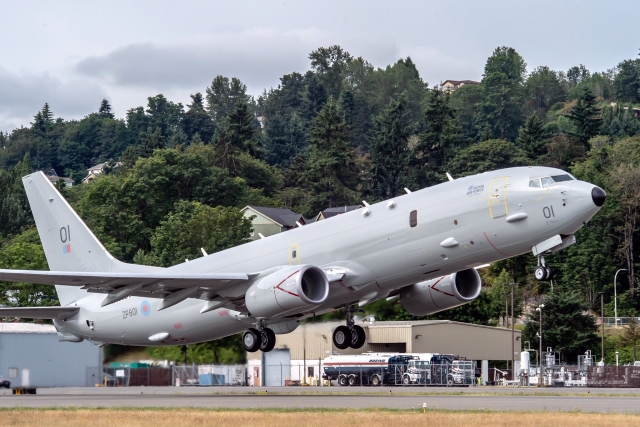
UK Royal Air Force gets first Poseidon MRA1 Maritime Patrol Aircraft
October 31, 2019 @ 11:07 AMThe Royal Air Force (RAF) has accepted delivery of its first
-
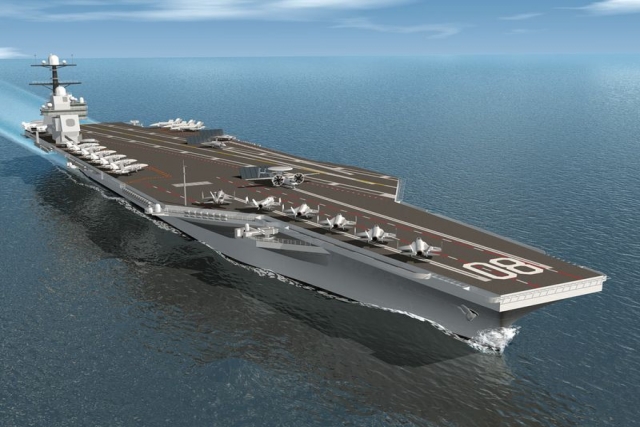
Huntington Ingalls to Float USS John F. Kennedy Ford-Class Carrier
October 29, 2019 @ 07:19 AMUnited States based shipbuilder Huntington Ingalls Industries (HII) will float USS John F. Kennedy, the navys new Gerald R
-
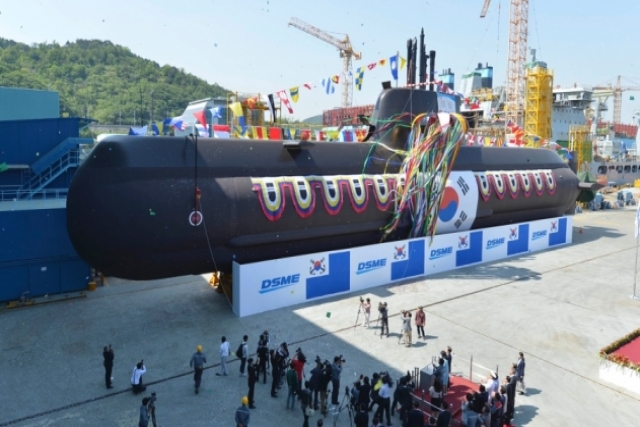
S.Korea to Build 2 Nuclear-powered Submarines
October 10, 2019 @ 08:16 AMSouth Korea is looking to build 2 nuclear-powered submarines and has assigned a task force to study the project. "With longer-term perspectives to have nuclear-powered submarines, we have been running a task force of our own," the South Korean Navy said in a report presented to lawmakers for a parliamentary audit
-

Japan to Tighten Foreign Investment Rule for Defence, Nuclear Firms
October 4, 2019 @ 08:56 AMThe Japanese government plans to tighten rules for foreign firms investing in Japanese companies in sectors impacting national security such as defence, aerospace and nuclear energy. Foreign exchange laws will be revised to require foreign investors to seek prior approval before obtaining a 1 percent or higher stake in such a company, lowering the threshold from the current 10 percent, the Mainichi reported quoting unnamed government sources

In a First, China Sanctions Philippines Defense Secretary Gilberto Teodoro Jr., His Relatives...
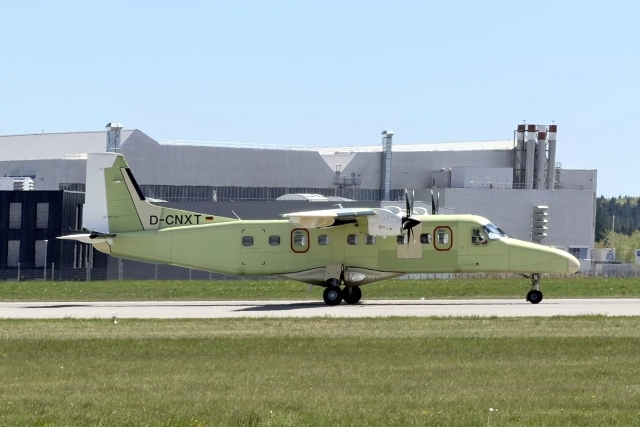
General Atomics AeroTec Signs First Sale Contract for D0228 NXT Aircraft

Israel Awards Developers of Weapons Systems, Spying Tech, Electronic Warfare
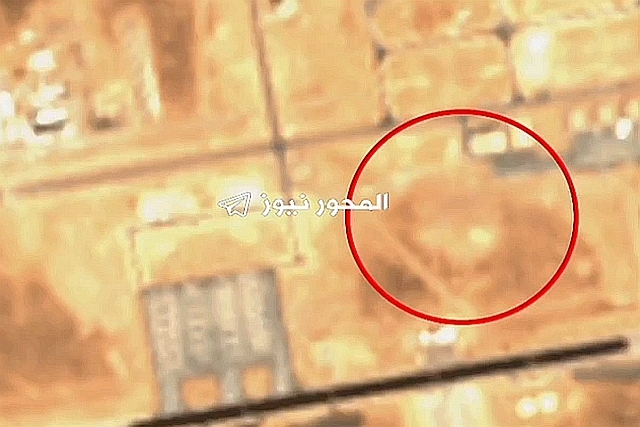
Iran Inflicts Damage on U.S. Bases in Jordan, Kuwait, Bahrain & Earlier...

One Month Since U.S., Israeli War Against Iran: Who Is Gaining?
One month after the United States and Israel launched coordinated strikes on Iran on February 28 the conflict has expanded...
Modern Tank Showdown: T-90MS, Leopard 2A7, M1E3 Abrams Compared
Main Battle Tanks (MBTs) have shown their mettle in recent conflicts such as in Ukraine despite being increasingly vulnerable to...
European Nations Prioritizing Europe-made IRIS-T & SAMP-T over American Patriot Air Defense Systems?
European nations looking to procure new air defense systems appear to be giving the much-vaunted American Patriot a miss in...
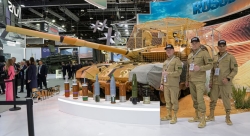
Russian T-90MS Crew Discuss Future Upgrades
Defense Mirror spoke with the crew members of the Russian T-90MS main battle tank, produced by UralVagonZavod

China's Mass-produced J-35A Aircraft Set to Disrupt Global Stealth Fighter Market
China is aiming to disrupt the global stealth fighter market by mass-producing its fifth-generation J-35A at a pace comparable to...

The Future of Combat: Miniaturized Laser Weapons Set to Replace Bullets and Missiles
Lasers may soon replace bullets, and drones could disable enemy UAVs with beams of light instead of missiles