U.S. Agencies Initiate Counter-UAS Collaboration
This follow reports of a substantial number of unknown drones entering U.S. airspace including 6000 UAVs from the southern border.
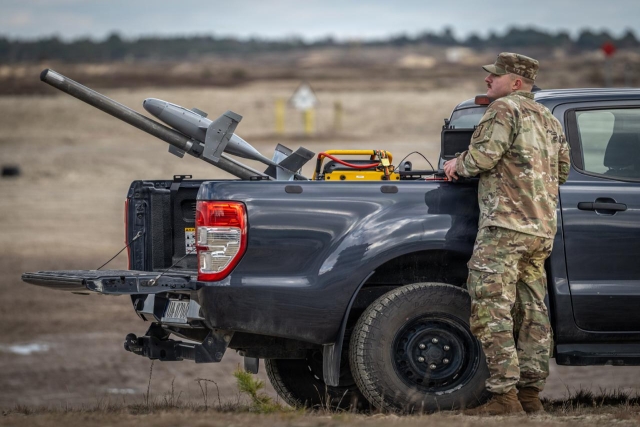
More than 180 experts from the War Department and multiple federal agencies met in Alexandria, Virginia, yesterday to begin a three-year initiative to deliver counter-small unmanned aircraft system capabilities to U.S. warfighters and reinforce homeland protection as drone activity expands rapidly.
The summit followed Secretary of War Pete Hegseth’s August directive establishing Joint Interagency Task Force 401 and instructing Secretary of the Army Dan Driscoll to accelerate development and fielding of counter-UAS systems. In the memo, Hegseth said the department must “focus on speed over process” to improve mobility, affordability and integration of counter-drone systems. He said the 36-month task force supports the president’s direction to reestablish U.S. air sovereignty and strengthen protection of personnel, facilities and equipment.
About 50 representatives from the War Department, Department of Homeland Security, FBI, Transportation Department, Federal Aviation Administration and other agencies gathered at the Mark Center for the first coordination meeting.
“This was an opportunity to bring together all of our interagency partners that have shared interests in countering small UAS threats, because no one agency can solve this on their own,” said Army Brig. Gen. Matt Ross, commander of the task force. “We’re taking tangible steps to defeat the UAS threat we face on a daily basis.”
Ross said small drones now represent a defining security challenge due to their rapid evolution and spread far beyond conflict zones, giving individuals and small groups access to surveillance and strike capabilities. He outlined three priorities for the task force: defending the homeland, supporting warfighter lethality and improving joint force training.
Near-term homeland defense efforts will focus on the National Capital Region, the southern border and security preparations for the FIFA World Cup in June 2026. Ross said U.S. Northern Command and Joint Task Force Southern Border recorded about 3,000 drone incursions over the border in the past year and observed more than 60,000 drones operating just south of it.
He said countering the border threat requires coordinated communication and data sharing. “We need a common air picture that includes drones,” he said, calling for cross-domain solutions and broader deployment of passive and active sensors.
In the National Capital Region, the task force will study how federal sensors track drones, how data moves between agencies and how authorities to neutralize threats are issued. “We’re not there yet, but we’re making progress,” Ross said.
Ahead of the 2026 World Cup, the task force aims to ensure security organizations can access rigorously tested counter-UAS systems through the Defense Logistics Agency.
Ross said countering drone threats requires a whole-of-government approach. “Nobody can solve this problem alone,” he said. “We have to partner closely with federal, state, local, tribal and territorial law enforcement to see the threat early and defeat it before an attack is successful.”

Indrajaal Drone Defence Unveils Fully Mobile Anti-Drone Patrol Vehicle
Dutch MoD to Spend up to €3.5B on Anti-drone Systems
China Presents 40-hour Endurance Anti-submarine Drone at Dubai Airshow
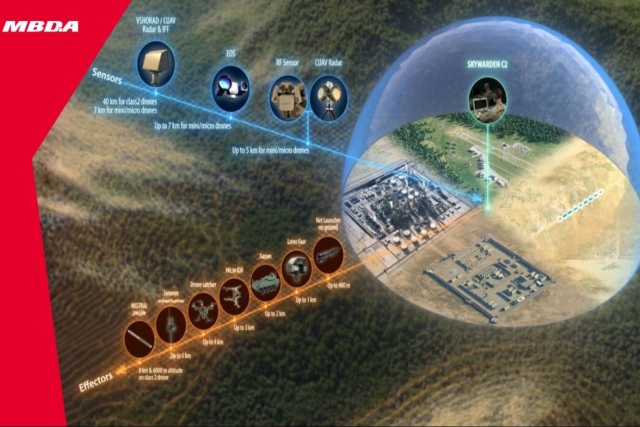
MBDA Signs First Middle East Export Deal for Sky Warden Anti-drone System
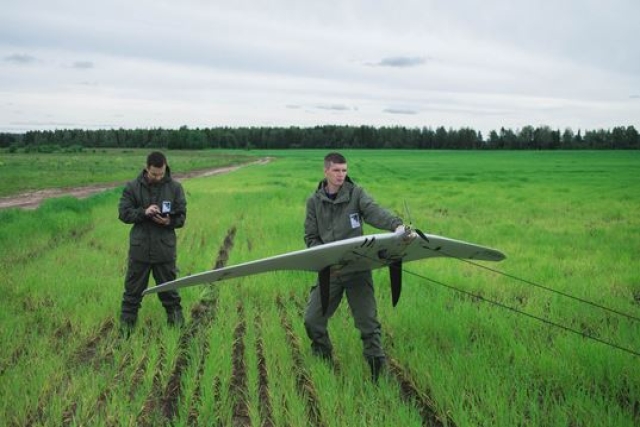
Russia's Unmanned Systems Group Signs Several International Contracts to Sell its Supercam...

50 Killed, 500 Injured in U.S. Airstrikes Against Iranian
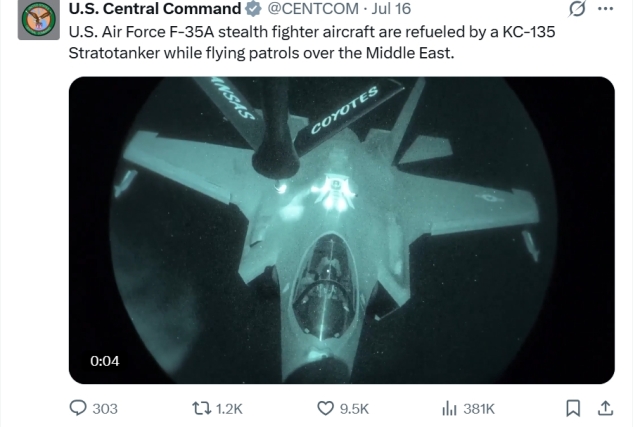
US Turns Israel’s Ben Gurion Airport into Forward Base for War...
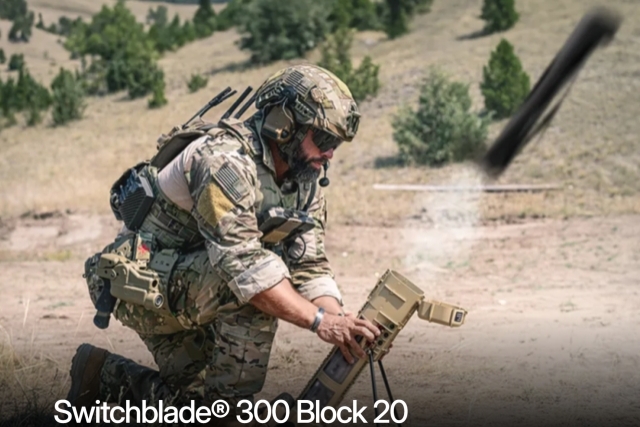
Greece to Procure Aero Virionment’s Switchblade 300 Miniature Missiles

One Month Since U.S., Israeli War Against Iran: Who Is Gaining?
One month after the United States and Israel launched coordinated strikes on Iran on February 28 the conflict has expanded...
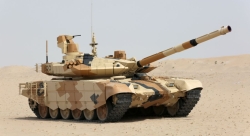
Modern Tank Showdown: T-90MS, Leopard 2A7, M1E3 Abrams Compared
Main Battle Tanks (MBTs) have shown their mettle in recent conflicts such as in Ukraine despite being increasingly vulnerable to...
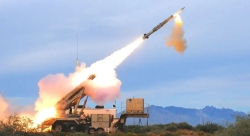
European Nations Prioritizing Europe-made IRIS-T & SAMP-T over American Patriot Air Defense Systems?
European nations looking to procure new air defense systems appear to be giving the much-vaunted American Patriot a miss in...

Russian T-90MS Crew Discuss Future Upgrades
Defense Mirror spoke with the crew members of the Russian T-90MS main battle tank, produced by UralVagonZavod

China's Mass-produced J-35A Aircraft Set to Disrupt Global Stealth Fighter Market
China is aiming to disrupt the global stealth fighter market by mass-producing its fifth-generation J-35A at a pace comparable to...

The Future of Combat: Miniaturized Laser Weapons Set to Replace Bullets and Missiles
Lasers may soon replace bullets, and drones could disable enemy UAVs with beams of light instead of missiles