U.S. Clears $111.8M Precision Bomb Sale to South Korea
Deal includes 624 additional GBU-39 Small Diameter Bombs for hardened targets.
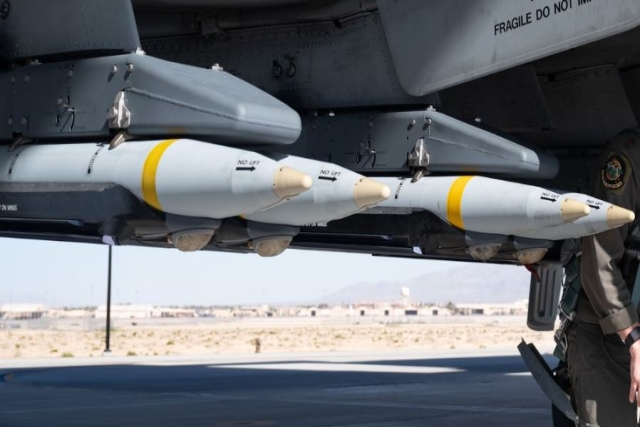
The U.S. State Department has approved a possible $111.8 million sale of precision-guided bombs to South Korea, the Defense Security Cooperation Agency (DSCA) announced Friday.
The proposed sale covers 624 additional GBU-39/B Small Diameter Bombs, a 250-pound, satellite-guided weapon designed to strike tanks, bunkers and reinforced aircraft shelters with accuracy.
The principal contractor will be The Boeing Corporation. The proposed transaction is subject to U.S. congressional approval.
The GBU-39 was developed to give aircraft the ability to carry more munitions while reducing blast radius and unintended damage. After release, fold-out wings extend, allowing the bomb to glide more than 60 miles, with some profiles exceeding 68 miles when dropped from altitude. This standoff range allows aircraft to remain farther from surface-to-air threats.
The weapon uses GPS and inertial navigation guidance, with target coordinates uploaded before launch. Its guidance system is integrated into the bomb during production and includes anti-jamming features to counter electronic interference.
Since entering service in 2006, the GBU-39 has been produced in three main variants. These include the baseline GBU-39/B with a penetrating blast-fragmentation warhead, the GBU-39A/B focused lethality version designed to reduce collateral damage, and the GBU-39B/B laser-guided version for engaging more dynamic targets.
The current variant is capable of destroying hardened structures such as bunkers and shelters. It can be carried on internal bays or external pylons, allowing fighters and bombers to carry higher weapon loads, reduce logistics demands and shorten follow-on strike timelines.
The bomb has limits. Its smaller warhead is less effective against deeply buried targets, and its reliance on GPS guidance exposes it to potential electronic warfare. These constraints led to development of the GBU-53/B StormBreaker, which uses a tri-mode seeker for moving targets in poor weather.
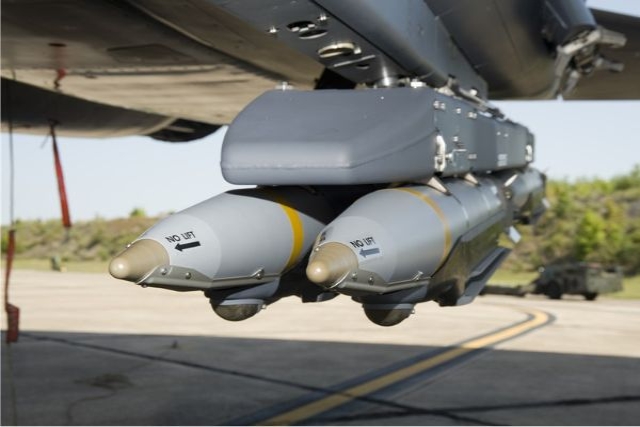
Poland Approved to Buy 1400 Boeing-Made Small Diameter Bombs
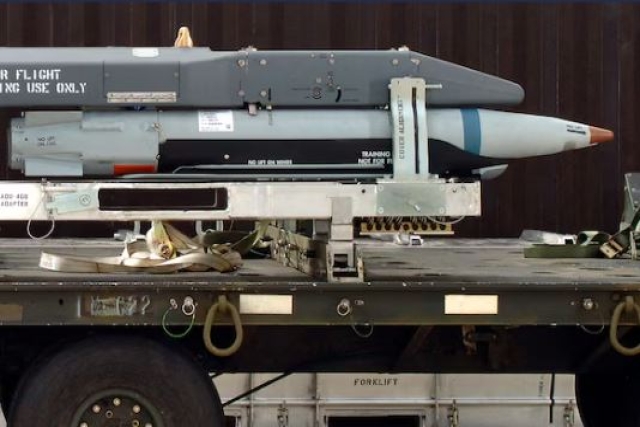
Boeing Wins $7B to Provide Small Diameter Bombs to Ukraine, Allies; JDAMs...
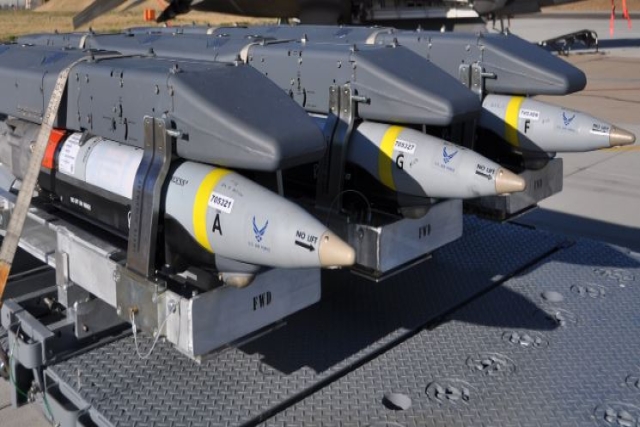
Belgium Gets U.S. Clearance to Buy Small Diameter Bombs for F-35 Jets...

New Russian D-30SN Glide Munition Better than GBU-39 Small Diameter Bomb?
Russia Modifies Su-34 Bomber for Reconnaissance Role

US Helicopter May Have Been on a Mission to Attack Iranian Boats...
Swiss Army Procures New Artillery System from KNDS
Germany, France Suspend Work on FCAS Sixth-Gen Fighter Project

One Month Since U.S., Israeli War Against Iran: Who Is Gaining?
One month after the United States and Israel launched coordinated strikes on Iran on February 28 the conflict has expanded...

Modern Tank Showdown: T-90MS, Leopard 2A7, M1E3 Abrams Compared
Main Battle Tanks (MBTs) have shown their mettle in recent conflicts such as in Ukraine despite being increasingly vulnerable to...
European Nations Prioritizing Europe-made IRIS-T & SAMP-T over American Patriot Air Defense Systems?
European nations looking to procure new air defense systems appear to be giving the much-vaunted American Patriot a miss in...

Russian T-90MS Crew Discuss Future Upgrades
Defense Mirror spoke with the crew members of the Russian T-90MS main battle tank, produced by UralVagonZavod

China's Mass-produced J-35A Aircraft Set to Disrupt Global Stealth Fighter Market
China is aiming to disrupt the global stealth fighter market by mass-producing its fifth-generation J-35A at a pace comparable to...

The Future of Combat: Miniaturized Laser Weapons Set to Replace Bullets and Missiles
Lasers may soon replace bullets, and drones could disable enemy UAVs with beams of light instead of missiles