Iran Launches Fattah, Khorramshahr-4 Missiles toward Israel, U.S. Bases in Middle East
IRGC says strikes carried out during phase 30 of Operation True Promise-4 as casualty figures remain disputed

Iran launched missile strikes targeting Israel and U.S. military bases in the Middle East, the country’s state-controlled media reported, citing the Islamic Revolutionary Guard Corps (IRGC).
The attack involved Fattah hypersonic missiles along with Khorramshahr-4 missiles. It formed part of the 30th phase of Operation True Promise-4. The broadcaster reported that the intended targets were successfully hit, but did not provide detailed damage assessments.
Iran’s Supreme National Security Council earlier claimed that several U.S. soldiers had been captured during the escalation. Secretary Ali Larijani said the capture occurred in a neighboring country but did not identify the location.
Separate reports linked the strikes to attacks on Israel as well as facilities in Bahrain, including the base of the U.S. Navy’s Fifth Fleet and the Bahrain Petroleum Company. Iranian media also reported explosions in Doha, the capital of Qatar.
Casualty figures from the wider confrontation remain unclear. Iranian officials said about 200 U.S. service members were killed. The United States has only confirmed the deaths of seven soldiers. U.S. President Donald Trump described the losses as minimal and said the sacrifices “were not in vain,” according to White House statements.
About the missiles launched
Iran’s Fattah hypersonic missile series includes the Fattah-1 and Fattah-2, designed with a Maneuverable Reentry Vehicle (MaRV) to evade missile defenses. The Fattah-1 has a reported range of about 1,400 km and speeds of Mach 13–15 using a two-stage solid-fuel engine with a movable nozzle for maneuvering, while the Fattah-2 is described by Iranian media as a next-generation version with a modified hypersonic glide vehicle and a range of up to 1,500 km.
Khorramshahr-4, also known as Kheibar, is a medium-range ballistic missile with a range of about 2,000 km and a warhead of 1,500–1,800 kg, using hypergolic liquid fuel for launch within 12–15 minutes and reaching speeds of about Mach 16 outside the atmosphere.
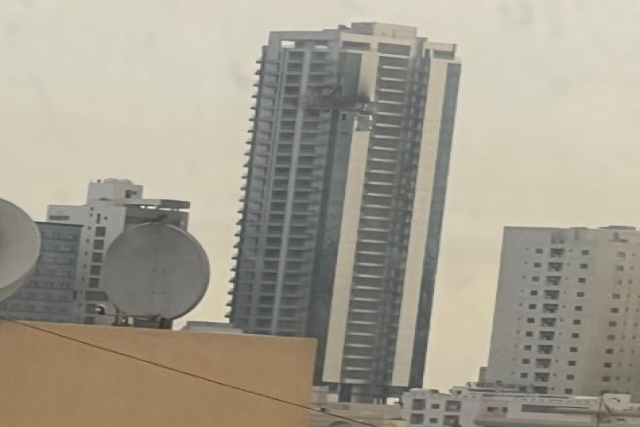
Iranian Attacks Continue Across Bahrain, Eyewitness Reports Blasts in Manama
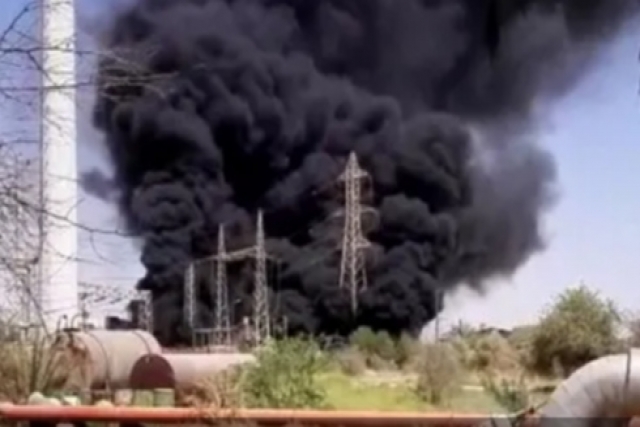
Heavily Populated Iranian Cities Could Become “Legitimate Military Targets,” Says U.S. CENTCOM...

Iran Strikes Bahraini Water Desalination Plant as U.S. Cripples Similar Iranian Facility...

U.S. Special Forces, Kurdish Militants Preparing Incursion into Iran: Reports

2 US troops KILLED, 1 Missing, 4 Injured in Iran Missile Strikes
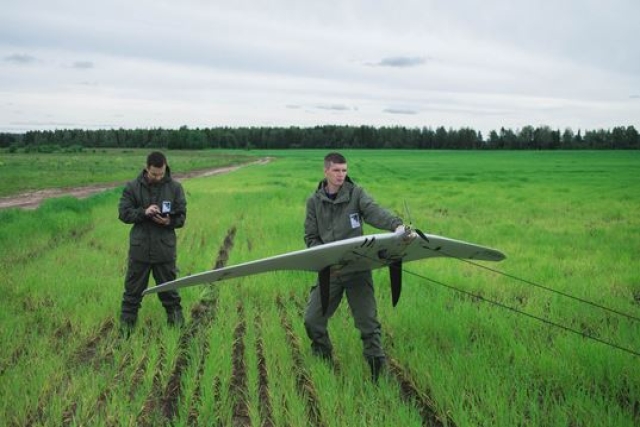
Russia's Unmanned Systems Group Signs Several International Contracts to Sell its Supercam...
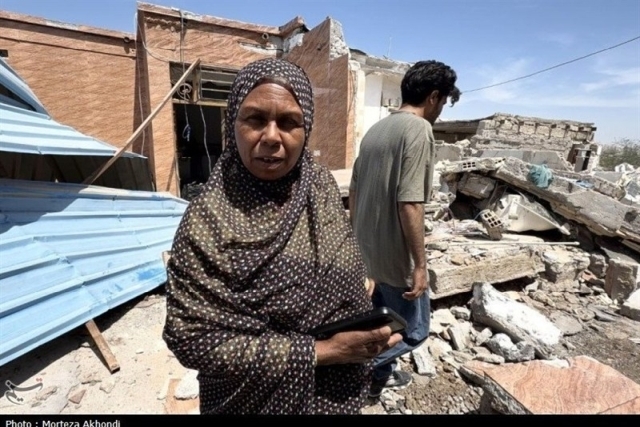
50 Killed, 500 Injured in U.S. Airstrikes Against Iranian
US Turns Israel’s Ben Gurion Airport into Forward Base for War...

One Month Since U.S., Israeli War Against Iran: Who Is Gaining?
One month after the United States and Israel launched coordinated strikes on Iran on February 28 the conflict has expanded...
Modern Tank Showdown: T-90MS, Leopard 2A7, M1E3 Abrams Compared
Main Battle Tanks (MBTs) have shown their mettle in recent conflicts such as in Ukraine despite being increasingly vulnerable to...
European Nations Prioritizing Europe-made IRIS-T & SAMP-T over American Patriot Air Defense Systems?
European nations looking to procure new air defense systems appear to be giving the much-vaunted American Patriot a miss in...
Russian T-90MS Crew Discuss Future Upgrades
Defense Mirror spoke with the crew members of the Russian T-90MS main battle tank, produced by UralVagonZavod

China's Mass-produced J-35A Aircraft Set to Disrupt Global Stealth Fighter Market
China is aiming to disrupt the global stealth fighter market by mass-producing its fifth-generation J-35A at a pace comparable to...

The Future of Combat: Miniaturized Laser Weapons Set to Replace Bullets and Missiles
Lasers may soon replace bullets, and drones could disable enemy UAVs with beams of light instead of missiles